Explore specific scenes and adaptation decisions from our published guides. Each preview opens the actual case discussion, with evidence, editorial interpretation and links for further reading.
Separate the first film’s alternate outcome from the later novel adaptation
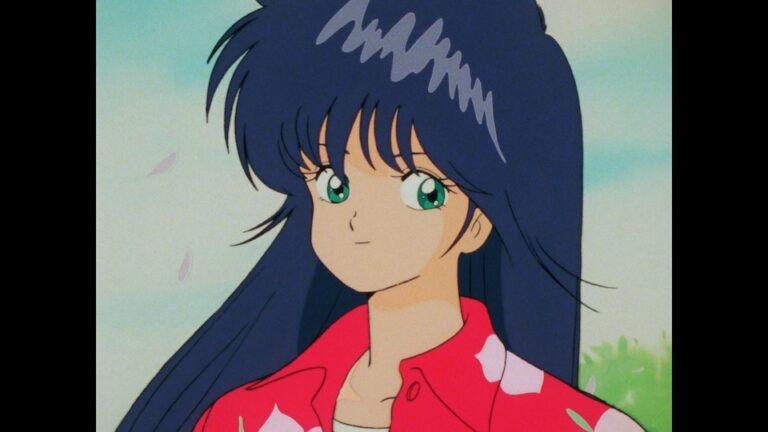
Pierrot describes I Want to Return to That Day as an original feature whose treatment of the three central relationships differs from both manga and television. It…
The first destination separates a rule from its consequences
The official opening episode is titled A Country Where People Can Kill Others. Its synopsis establishes a destination described through its policy on murder, then presents streets…
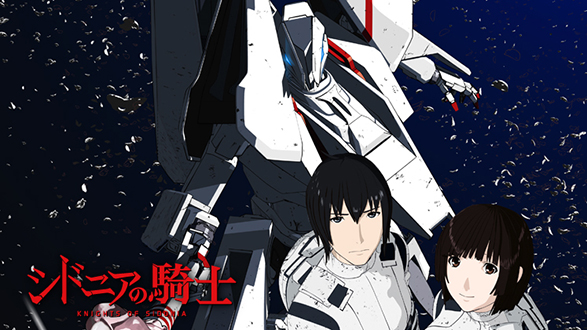
Bandai Channel’s original episode-one image places a small, suited human figure in front of an enormous white machine in a dark hangar. Its blue eye shines above…
The official ensemble visual gives different kinds of presence a place
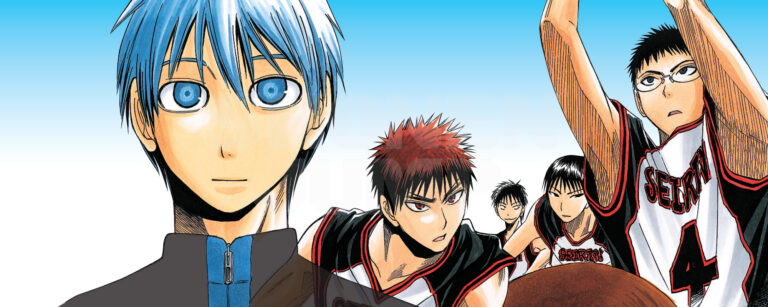
The selected original Production I.G illustration places blue-haired Kuroko toward the front with a basketball, surrounded by players posed at different scales and angles. Uniform colors distinguish…
The selected first-episode image shows pink-haired Nadeshiko eating noodles at night, her expression prominent against the darker setting. It comes from the official first-season gallery and retains…
Visual case: the vehicle dominates the promise, the pilots ground it
The GONZO lead artwork places the ribbed front of a vanship across most of the composition, with two goggle-wearing pilots peering above it. Our reading is that…
An anime endpoint and a source comparison are different tasks
Watching episodes one through twenty-four gives the verified television experience. Toei’s episode list supplies the original ordering, although later episode titles themselves can reveal relationship developments. Our…
The official collection covers twenty-four television episodes
The official home-video record specifies twenty-four television episodes for the Blu-ray collection and documents the OVA separately. Those are the main and optional animation objects used in…
The opening reunion puts confrontation ahead of an aircraft diagram
The licensed opening-installment reference below frames a red-clothed figure facing a person in white whose back occupies the foreground, with another figure standing behind. The sunset setting…
The City of the Great Pit: enthusiasm before the limits become clear
The official opening-episode synopsis places apprentice cave raider Riko in Orth and describes a dangerous encounter while she and Nat are exploring. The selected original frame shows…
A film called Final Chapter should not erase the television finale
The television run has its own final episode. The later film Kanketsu-hen, commonly cataloged in English as Final Chapter, is an optional animated addition for viewers who…
ShoPro’s rights-holder catalog places the original television production in 2004–2010, the feature in 2008, Message in 2010 and World Series: Yume no Shunkan e in 2011–2012. Those…
Episode one: the Hero’s armor meets an unfamiliar argument
The official first-episode image shows the Hero in a close horizontal frame, wearing armor with a circular blue ornament above his forehead. His open mouth and wide…
Follow the feature’s sequence before trying to separate its time layers
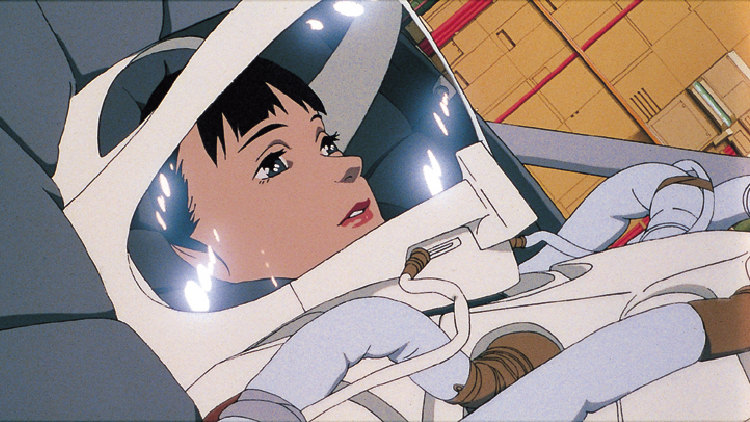
Watch the single feature from beginning to end. No earlier Kon film is a prerequisite, and the library should not invent a next manga chapter. Perfect Blue…
The promotional robot towers over the inexperienced people
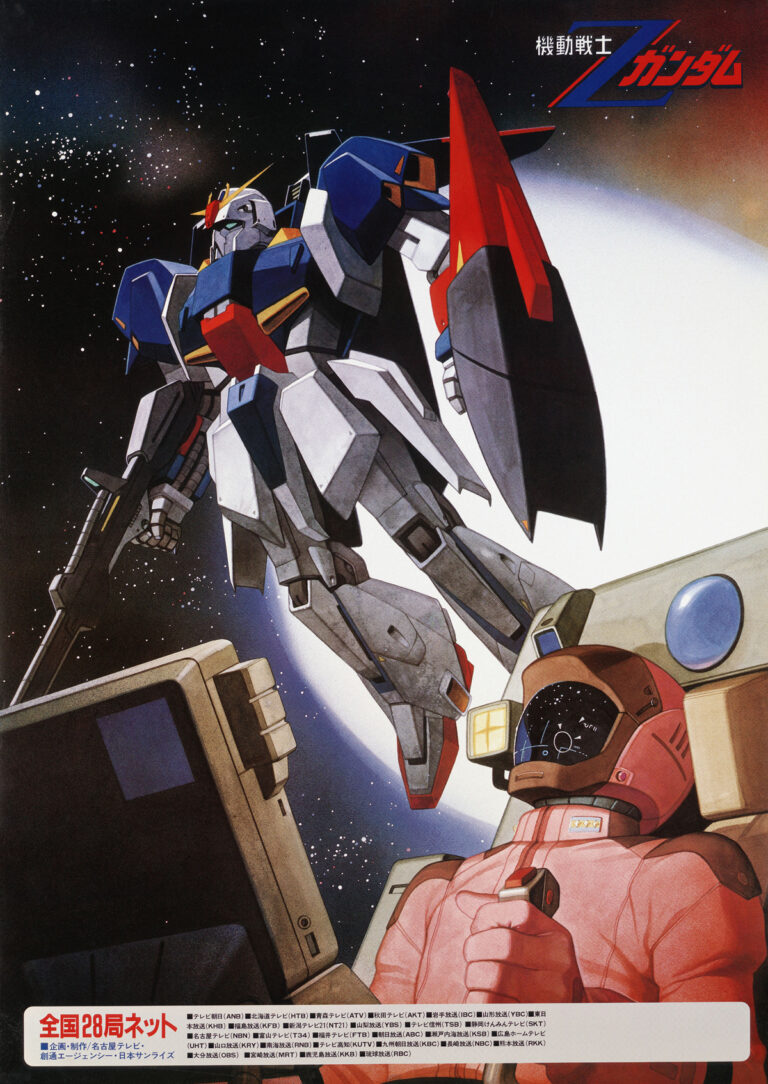
The official 1979 promotional visual puts the Gundam at the center, with a raised shield, weapon and companion machines surrounding it. Amuro and Fraw occupy much smaller…
Case check: Barbatos appears as machinery before triumph
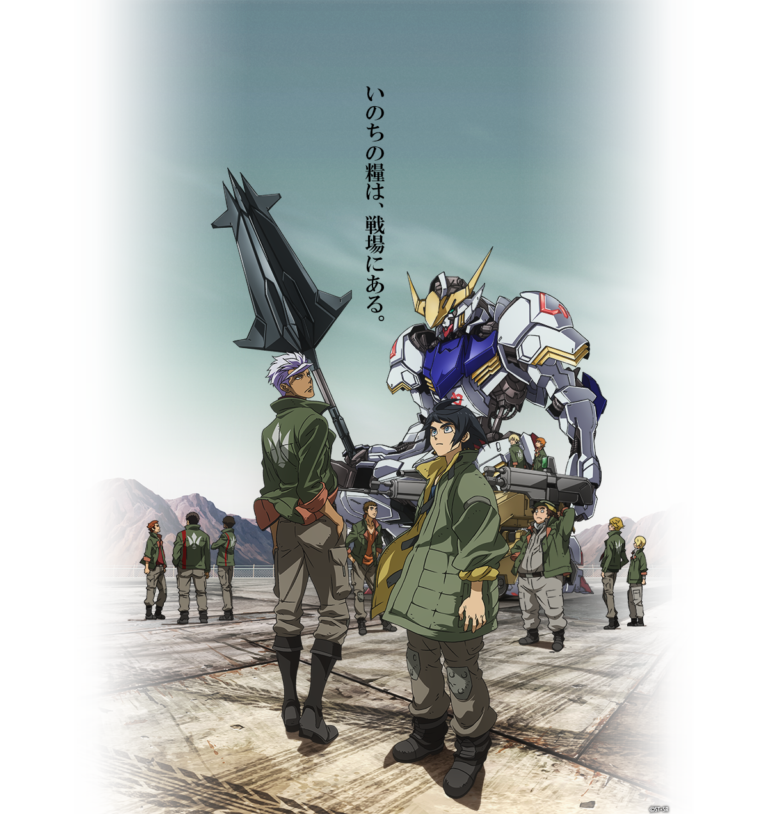
The original premiere image below frames Barbatos frontally, its gold head crest, pale armor, narrow green eyes and surrounding dark industrial structures visible. It is an intact…
Case check: Suletta’s face, before the machine takes over the frame
The original image below is a full 1920-by-1080 frame provided on the official first-episode page. Suletta’s red hair and dark headband contrast with a cool gray background.…
The opening machine is framed as intrusion, not a display model
The licensed Bandai Channel opening-episode thumbnail shows a dark Gundam Mk-II among damaged structures, with debris and steeply angled architectural lines around it. The image is distinct…
A request for shelter turns an ordinary room into a question
Toei’s first-episode synopsis describes a pregnant woman seeking shelter at an established inn on a rainy night. The proprietor hesitates before allowing her into a room not…
Nippon TV’s promotional image separates a face from a silhouette
Nippon TV’s original catalog artwork places Tenma’s face in the foreground, with a dark standing silhouette and cool blue landscape behind it. We retain the supplied 275-by-377…
Protection begins with a person, before an explanation
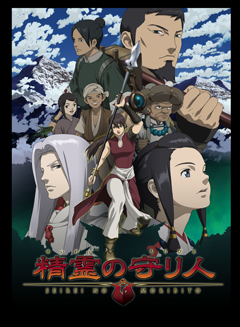
The licensed novel description places Balsa in a rescue involving Prince Chagum. Production I.G’s promotional image gathers the central characters, while the English cover focuses on the…
A bright substance can look inviting before its nature is understood
The selected original Next Passage first-episode reference shows a hand holding a dark cup filled with a glowing, pale-yellow substance. The official story gallery places it within…
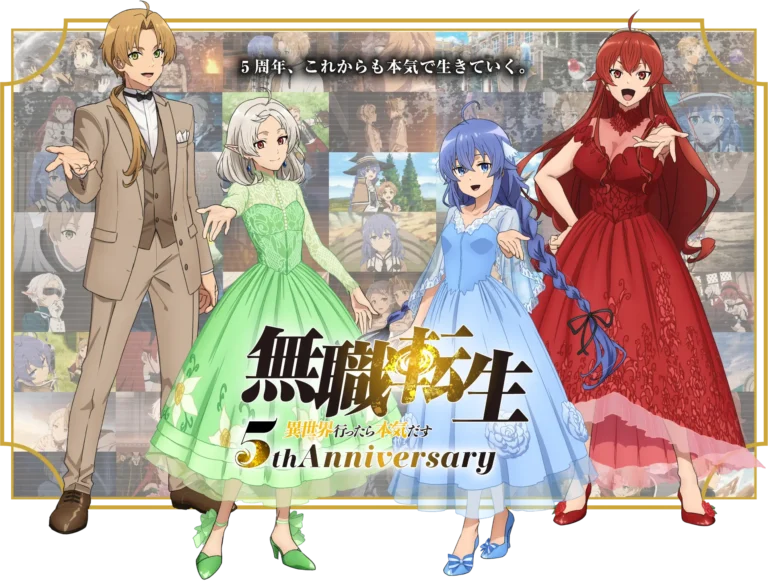
Confirmed by primary sources: The official first-episode synopsis introduces an unemployed thirty-four-year-old man who dies and awakens in another world as Rudeus. The licensed volume-one description distributed…
Wakana alone by the classroom window is an opening image
The selected original picture comes from the official first-season episode-one gallery. Wakana sits alone at a classroom desk beside broad windows and green curtains, with empty chairs…