Explore specific scenes and adaptation decisions from our published guides. Each preview opens the actual case discussion, with evidence, editorial interpretation and links for further reading.
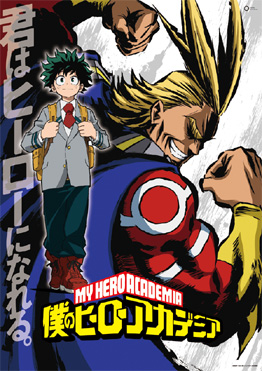
Confirmed by primary sources: VIZ’s volume-one synopsis introduces a powerless Izuku who wants to enter U.A., then makes his encounter with All Might a turning point. The…
The first anniversary cover foregrounds a constructed public identity
The selected official VIZ product image shows the first 25th Anniversary Edition as a complete book mockup, including its spine. The front uses a purple-line portrait of…
A new-anime announcement is not an episode premiere
The official September 29, 2026 news notice schedules a New York Comic Con panel for October 10. It promises information about a completely new anime. At this…
The first-season image is an encounter at a shrine structure
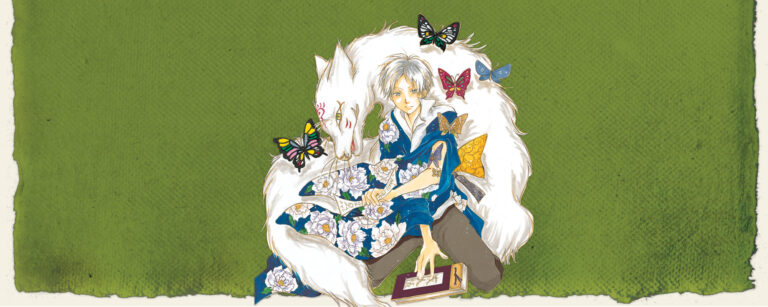
The official first-season introduction supplies an opening frame showing Natsume from behind near a wooden shrine structure, with a catlike figure visible ahead. The image is kept…
A source comparison needs a fresh beginning rather than a guessed continuation page
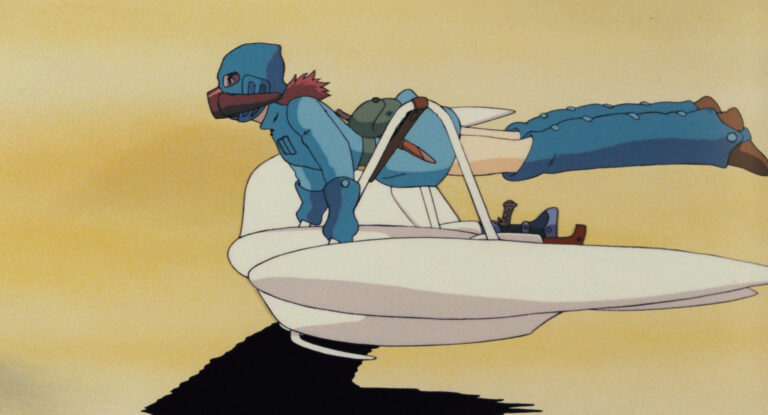
The film and manga share a central character and world, but their scope and narrative construction differ. The single film should be approached as its own adaptation…
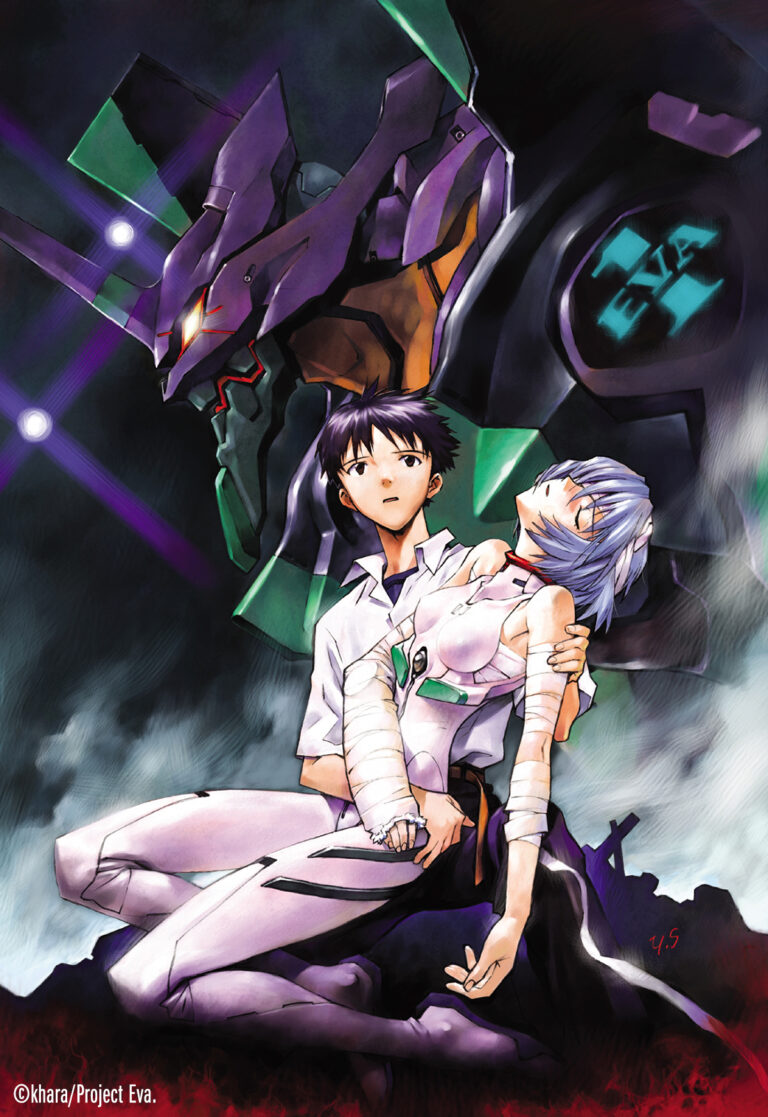
The original reference below is GKIDS’ licensed-distributor image for The End of Evangelion, retained at 1920 by 1080. It is a film image, not a frame attributed…
The poster turns a blade into the composition’s dividing line
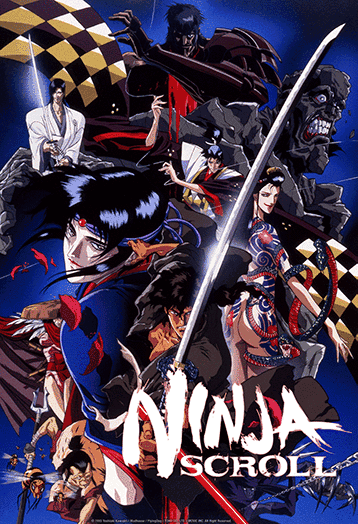
The official theatrical artwork displayed above places several figures around a long diagonal blade. The licensed Blu-ray cover below reuses that composition within a visible disc case.…
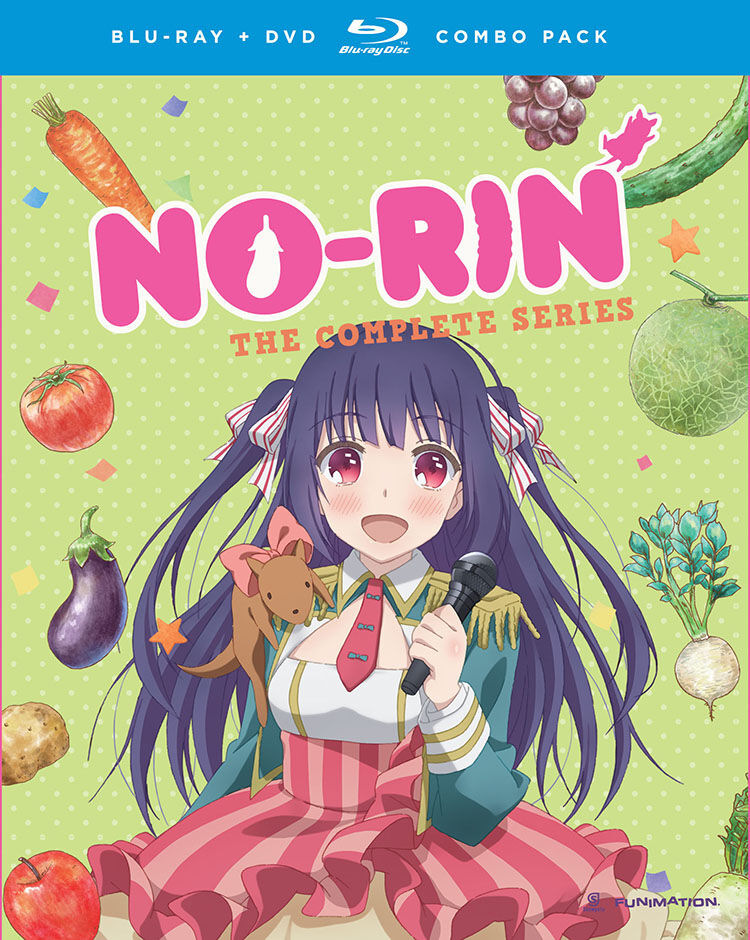
Crunchyroll’s licensed series introduction identifies Kosaku Hata, his distress over the retirement of idol Yuka Kusakabe and her arrival at Tamo Agriculture School. The home-video description identifies…
The television sequence stays simple while supplements stay optional
The forty-five-episode television route follows the original school setting, Paris Chapter and Finale. Fuji’s pages identify the second and third series as successive stages, and the official…
Renge’s recorder belongs to the opening countryside encounter
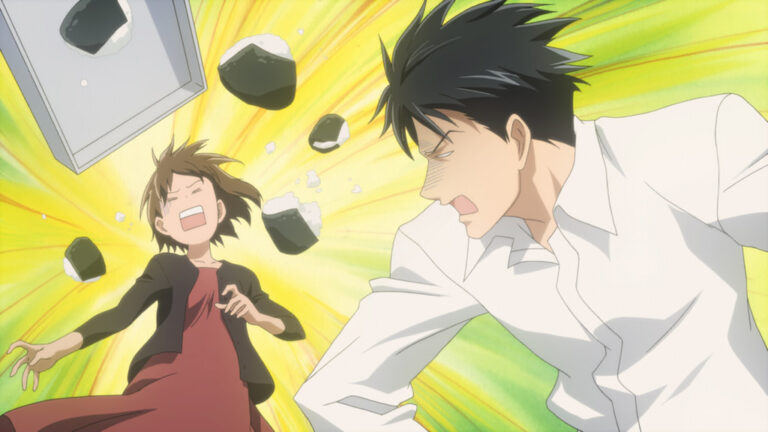
The selected official first-episode frame shows purple-haired Renge carrying a recorder, with orange-haired Natsumi behind her in the outdoor setting. The full image is retained. Although this…
The second-season opening keeps ordinary company inside a supernatural setting
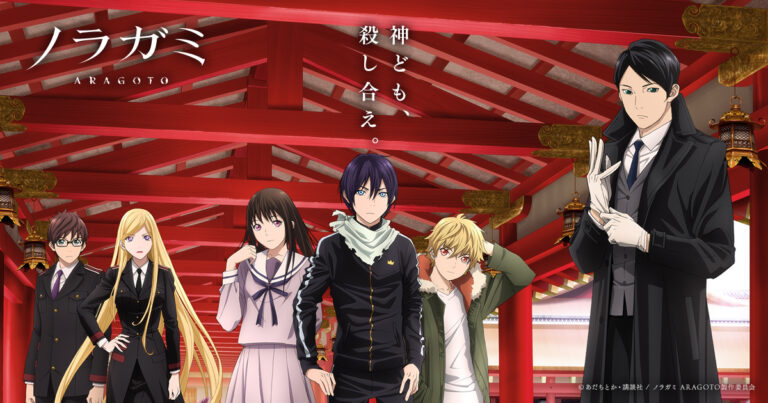
The official Aragoto first-episode synopsis identifies Yato continuing his low-fee work with Yukine and Hiyori. It also introduces a concern about Bishamon taking responsibility for more shinki.…
The novel cover keeps Odokawa close and the city outside
Shogakukan’s original novel cover shows Odokawa behind a steering wheel, wearing a red patterned shirt and seat belt, with cool blue light outside the cab. Its large…
Confirmed by primary sources: Ize Press’s licensed novel-one synopsis puts Dokja on a train when passengers receive a lethal command. It says he recognizes the event from…
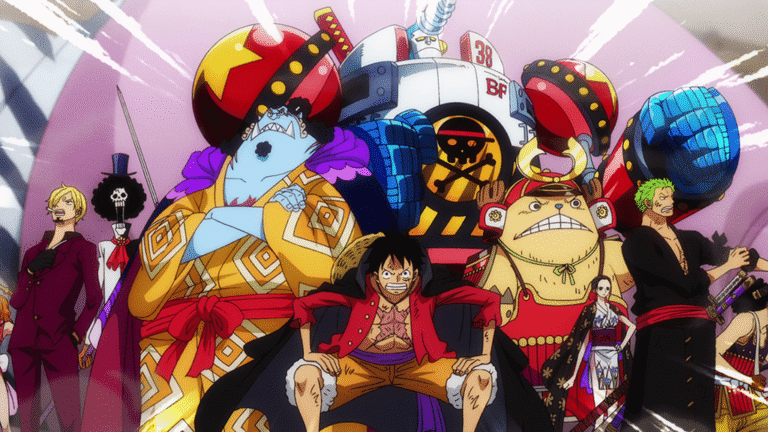
Confirmed by primary sources: The official episode-one page describes a passenger ship picking up a barrel, Luffy emerging, his meeting with Koby, and the confrontation with Alvida.…
Case check: a countryside image is not evidence of a time-travel event
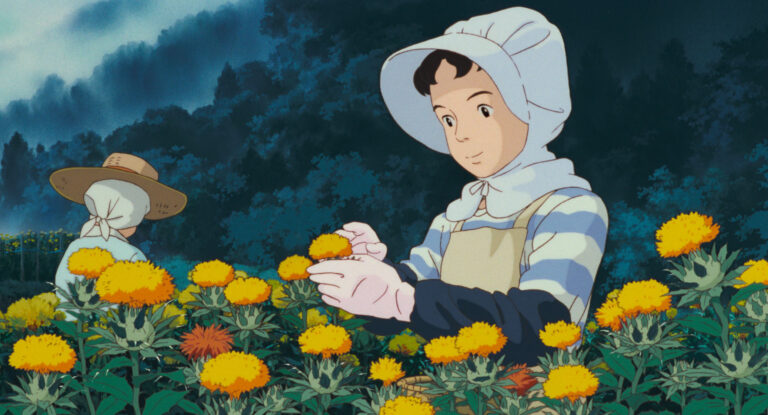
GKIDS’ synopsis confirms a trip into the countryside, an encounter with Toshio and shifts into memories. Studio Ghibli supplies the official still reproduced below. The image places…
A bodyguard job changes the scale of an ordinary business
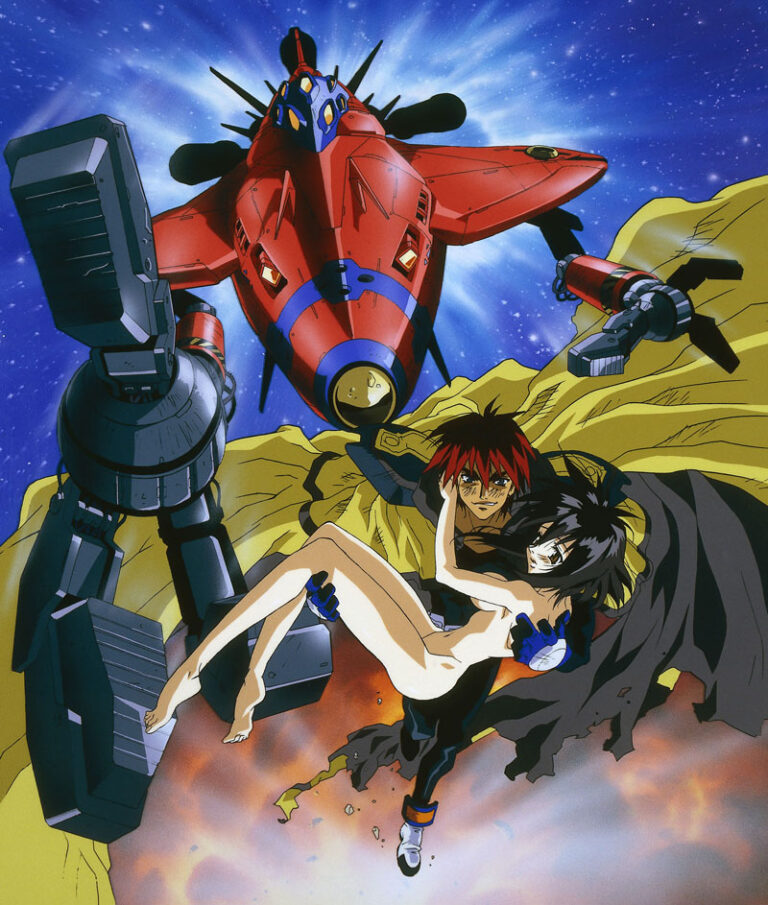
Sunrise’s opening premise gives Gene Starwind and Jim Hawking a small odd-jobs business before a bodyguard assignment opens a much larger adventure. The official series visual and…
Case check: the undead arrive as an organized presence
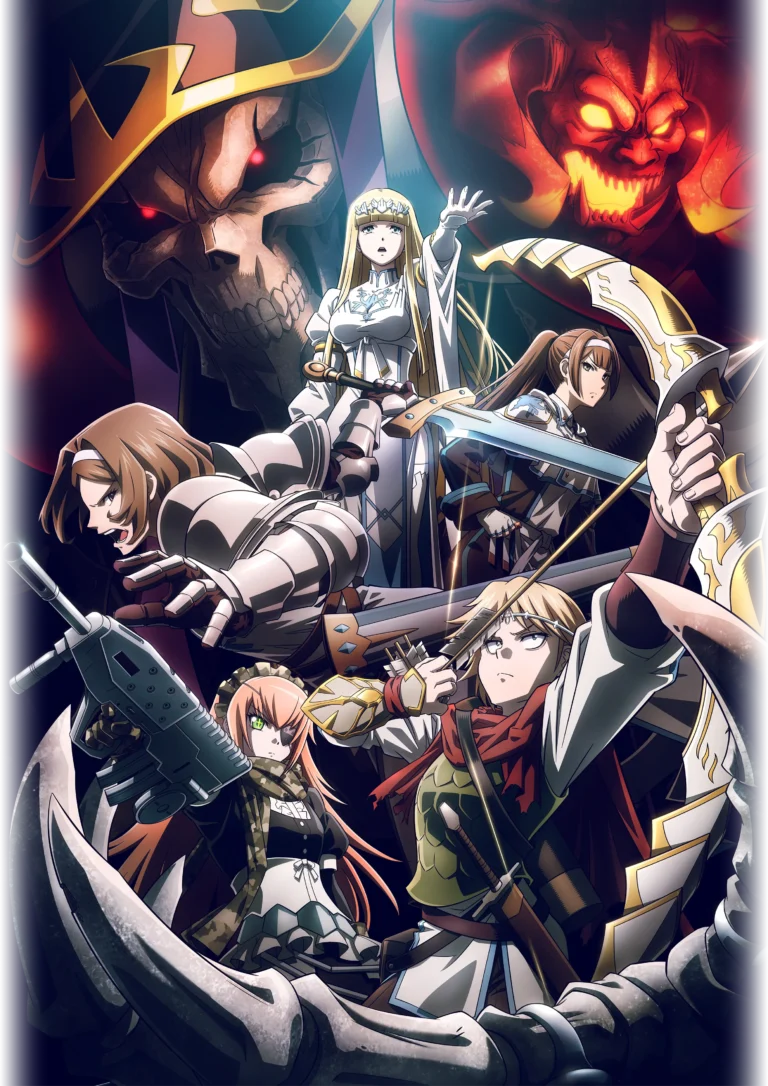
The original first-episode still below contains several skeletal figures before a columned structure and broad steps. A large skull occupies the right foreground while another torso is…
Compare complete treatments instead of seeking a post-film chapter
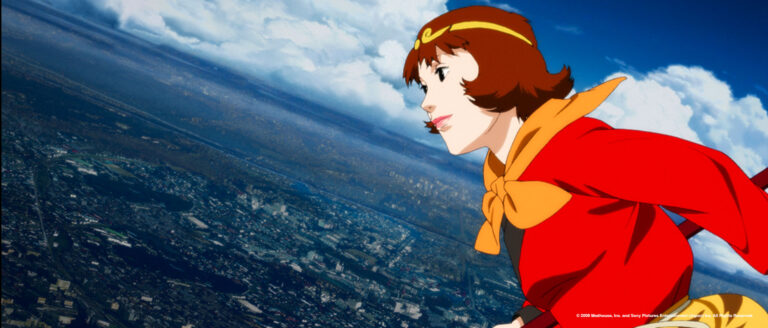
For animation, begin with the standalone 2006 feature. For prose, read Tsutsui’s novel from its beginning. There is no verified next-chapter instruction after the film: a reader…
Compare an ending without turning the manga into an invented second season
The verified animated route is the twelve-episode television run. Read the manga from its beginning if you want the source’s own pacing and scene organization. This article…
The official first-episode image shows a pale-haired Farma raising a hand in front of himself, his blue eyes directed toward it. The full 1300-by-731 frame includes the…
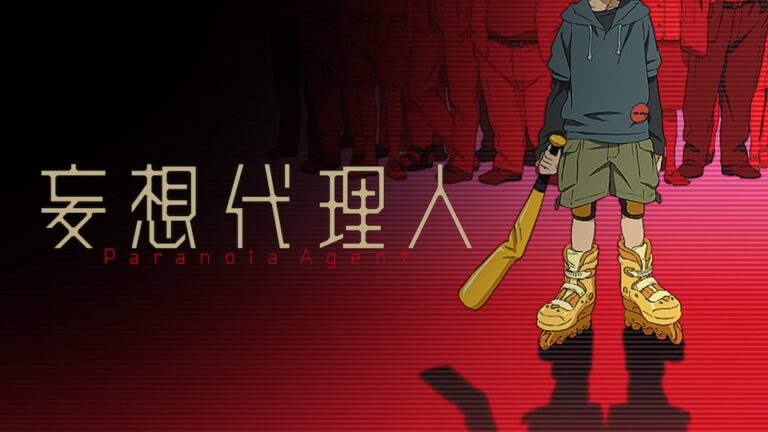
Visual case: gold objects make comfort and danger share the frame
The licensed anime artwork isolates the lower body of a boy at the right of a red-black field. His head is outside the composition, while golden skates…
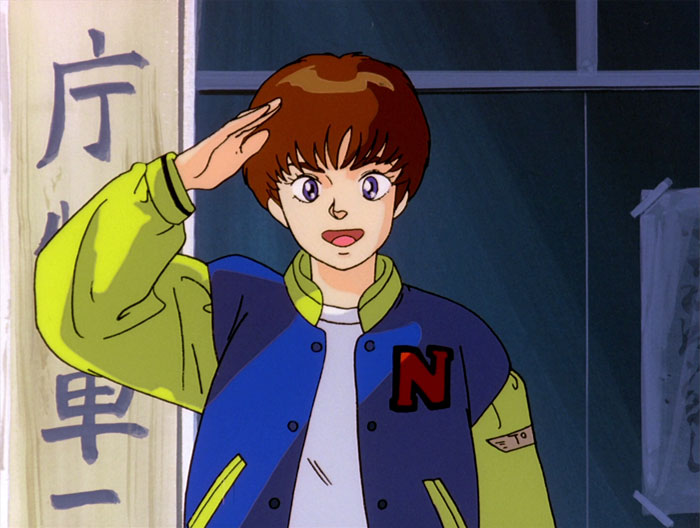
Two salutes reveal the attraction and discipline of the workplace
The lead image comes from the official Early Days first-episode page: Noa salutes in casual yellow-and-blue clothing. The second image below belongs to television episode one and…
A vast city and a machine in warm light give two scales of unease
The official film artwork used above shows a yellow airship labeled Ultimate Ratio floating over a gray city, with birds in the surrounding space. The image below…
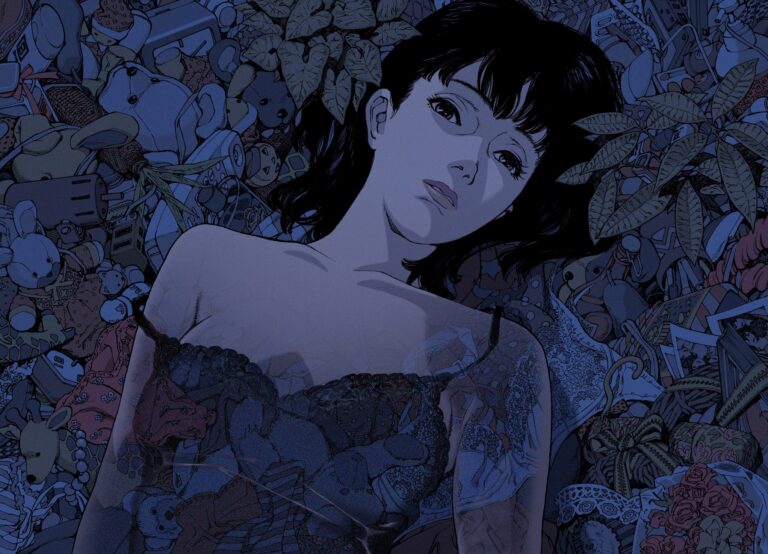
A publicity image makes a face appear beneath another surface
The selected original GKIDS remaster poster shows Mima’s face in a predominantly dark blue and red composition. Small blue-and-red fish appear below it, with the film title…