Explore specific scenes and adaptation decisions from our published guides. Each preview opens the actual case discussion, with evidence, editorial interpretation and links for further reading.
Case check: everyday companionship inside the military setting
The original premiere frame below places two young squad members beside a small black-and-white cat on steps. The composition looks down toward their bodies, boots and the…
A cover arranges apparent partnership around an unresolved threat
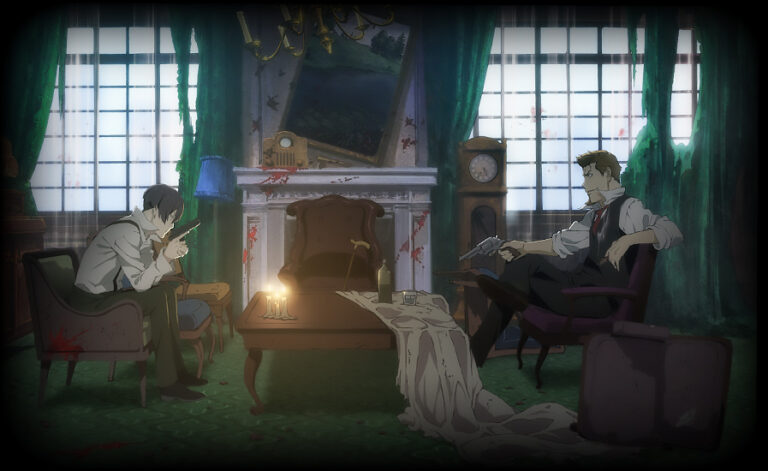
The selected original upper-book cover places a dark-haired man in a light shirt and suspenders in the foreground. Behind him, a light-haired man turns sideways with a…
A seated figure and three startled faces offer opposing appearances of control
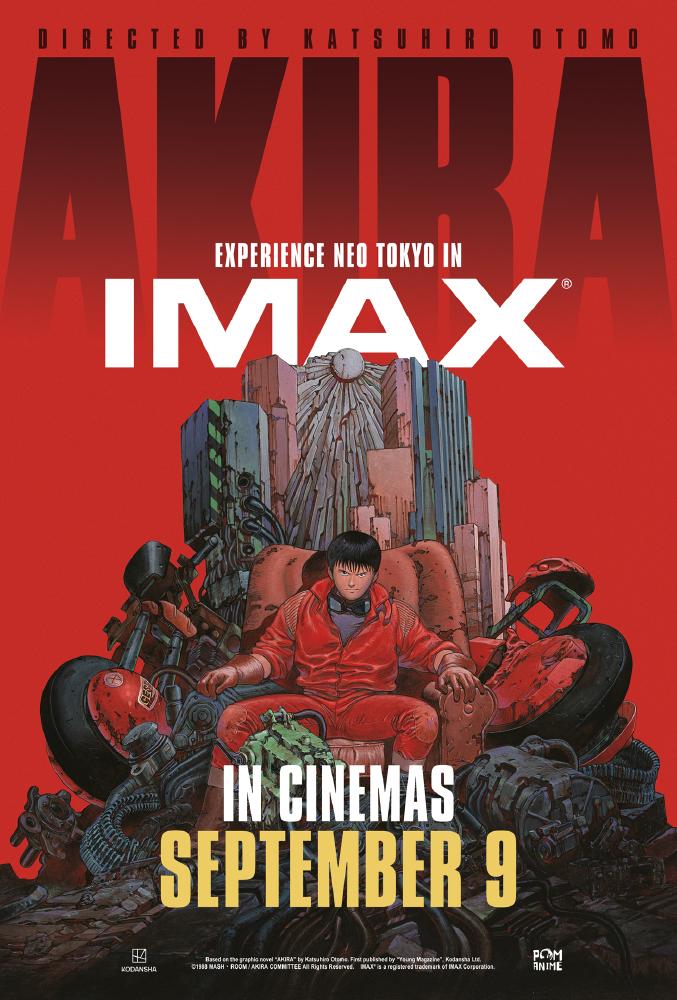
The original restoration poster above seats a red-clothed figure among heavy machinery and architectural forms. Its typography advertises the theatrical presentation. The distributor's film reference below instead…
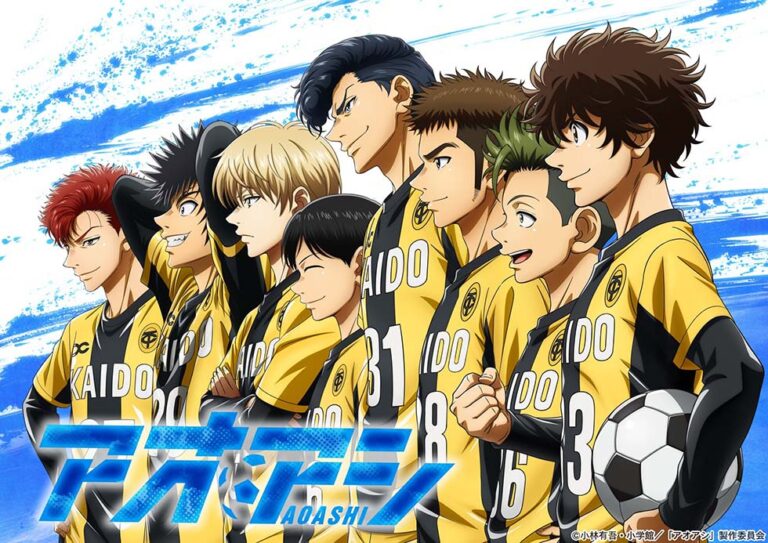
The selected Production I.G image is an original promotional group illustration with players in yellow-and-black uniforms and the Aoashi title. The foreground figure holds a football while…
Later animation and concert products are different things
The official anime portal lists the three television series, Arietta and the three later named animation projects. It also promotes concert and music releases. A concert Blu-ray…
The soldier and the command room occupy different visual positions
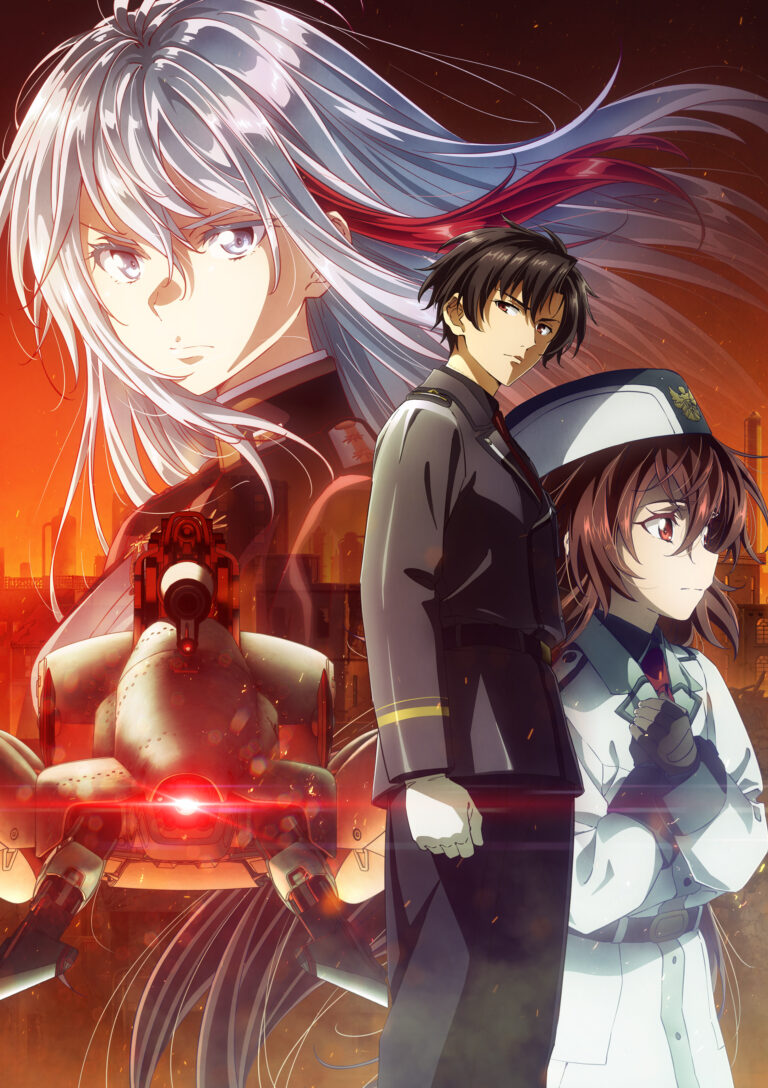
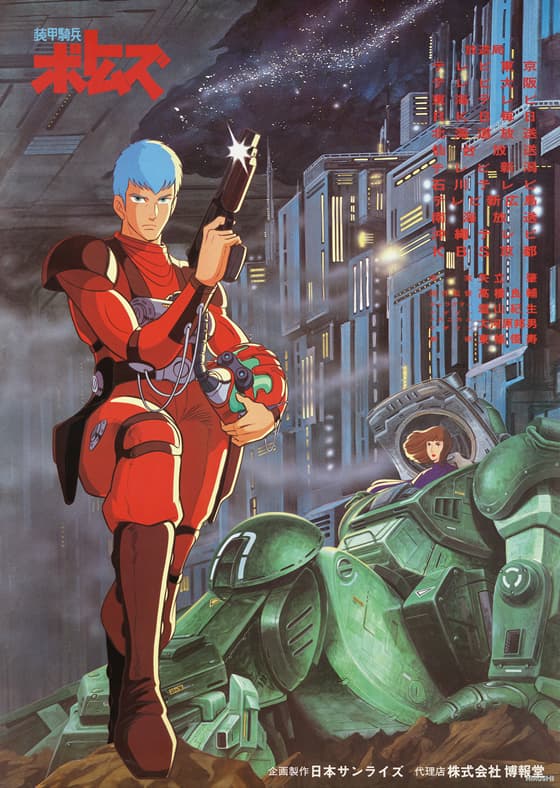
The official television poster places a red-suited, blue-haired soldier with a raised firearm beside green armored machinery against a dense industrial city. The opening-episode reference below instead…
Case check: even finding writing is an access problem
The official first-episode archive follows Myne looking for books at home, then going into town with her mother and finding written language scarce. Its second episode makes…
The two television runs and two films need distinct labels
Mushi Production’s original-series record verifies the first television adaptation’s 79 episodes and its 1970–1971 broadcast. TMS lists Ashita no Joe 2 as a separate 47-episode production from…
A threatening premise sits inside an image of a shared class
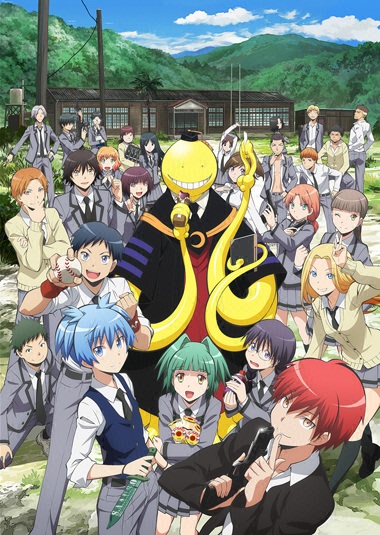
The selected original television illustration places the yellow, smiling Koro Sensei in the center of students distributed among trees and branches. Nagisa occupies the foreground, while several…
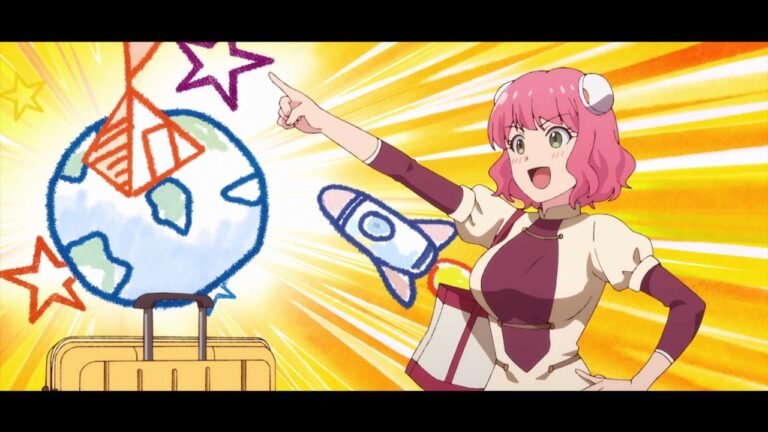
The lead frame from the official first-episode gallery shows Aries pointing across a bright graphic background containing a globe, stars and a rocket, with luggage visible below.…
Case check: Inside the walls, before the revelation
Confirmed by primary sources: The official premiere summary introduces Shiganshina beneath a wall over fifty metres high, Eren’s interest in the outside world, and the returning Scouts.…
The current disc record confirms the main episode scope
Sentai’s complete-collection record explicitly covers television episodes one through twenty-six and gives December 9, 2025 as its release date. By this review’s date that is an issued…
Visual case: a crowded carriage and a two-person cover
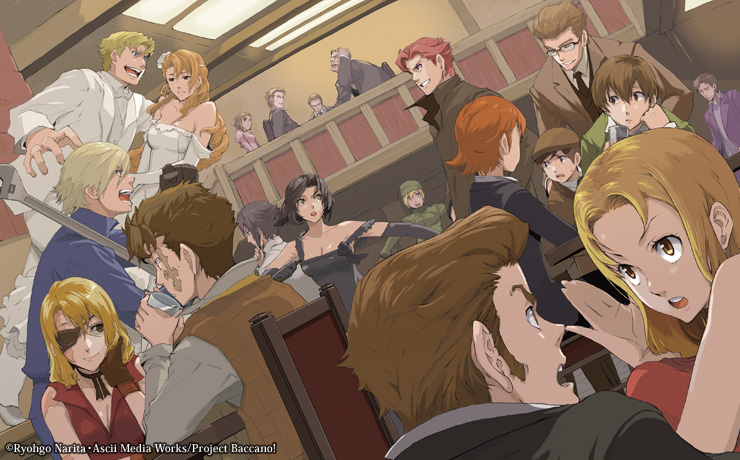
The original Blu-ray case illustration places many characters inside a railway carriage. Benches, the ceiling and carriage windows set up strong diagonals; figures lean across seats and…
A first-volume drawing desk makes the practical activity visible
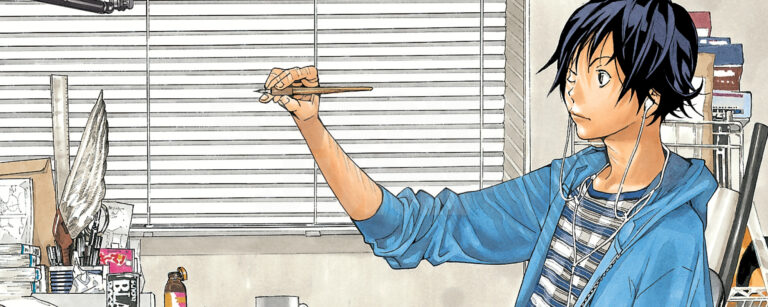
The official English first-volume cover shows a seated young man beside a desk, holding a drawing implement, with books, supplies and a window behind him. The complete…
The original first-episode still below shows Red in front of wooden walls and hanging produce. His expression is relaxed and the lighting is bright. It is a…
The selected scene belongs to Handa’s professional opening
The original episode-one frame shows a suited Handa at an exhibition-like gathering, with other attendees behind him. It is an urban professional opening image, not an island…
The first-episode image makes intimacy visible before the contest
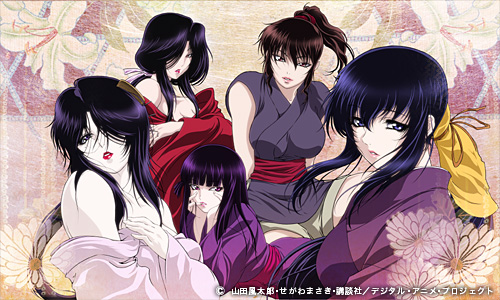
GONZO’s premise places Gennosuke and Oboro’s wish to overcome an inherited rivalry against an externally imposed conflict. Its first-episode reference still below shows the pair close together,…
The Princess Who Loves Bones: a composed face before a disturbing discovery
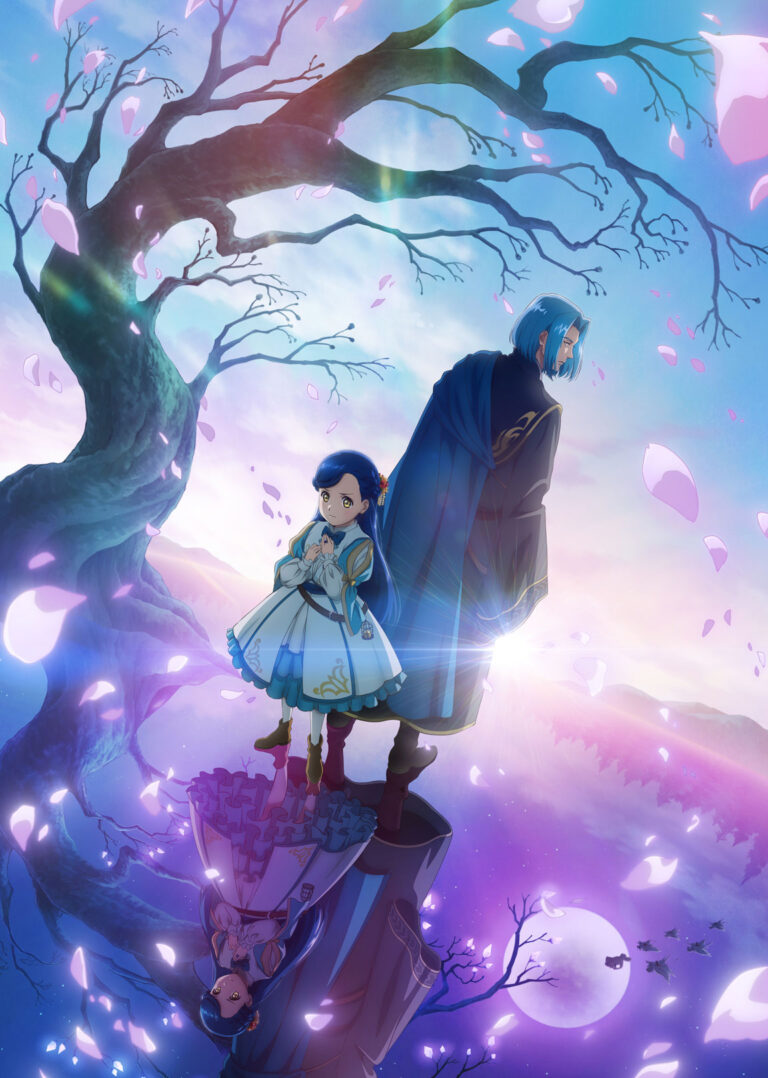
The first official episode synopsis sends Sakurako and Shotaro to the Mashike coast to collect bones and identifies a human-bone discovery as the case’s disruption. The selected…
The television ending is a route endpoint, not the end of all source material
Complete episodes one through twenty-six for the verified anime route. The original broadcaster archive provides numbered ordering and summaries, although later summaries contain significant story developments. The…
An ensemble image makes belonging visible before explaining it
STUDIO4℃ identifies the Golden Age as the subject of its earlier trilogy. The selected official Memorial artwork belongs to that production. It supports a discussion of the…
Rock’s first crisis begins inside a business assignment
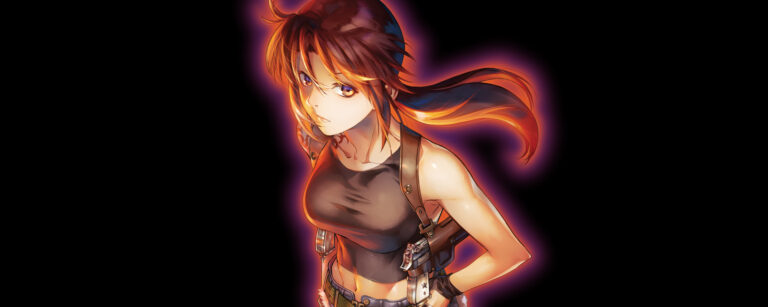
The official first-episode summary places salaryman Rokuro Okajima on a delivery assignment before Dutch, Revy and Benny take him captive. The episode-one still below shows Rock in…
The final anime schedule still has future installments
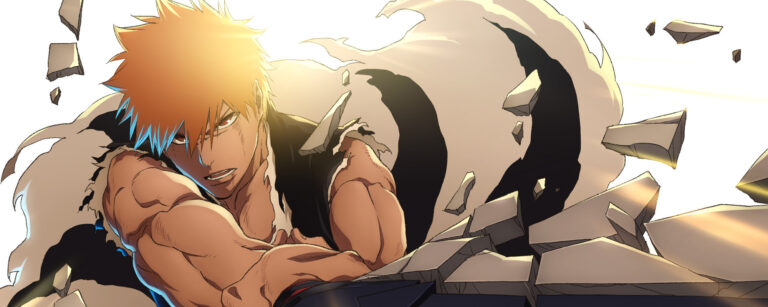
The official September 12, 2026 notice identifies scheduled broadcasts for Thousand-Year Blood War episodes forty-nine and fifty in October. At this review on October 3, those listed…
The Aniplex collection illustration puts short-haired Saya in the foreground, looking directly toward the viewer while her blade runs diagonally across almost the full image. Haji stands…
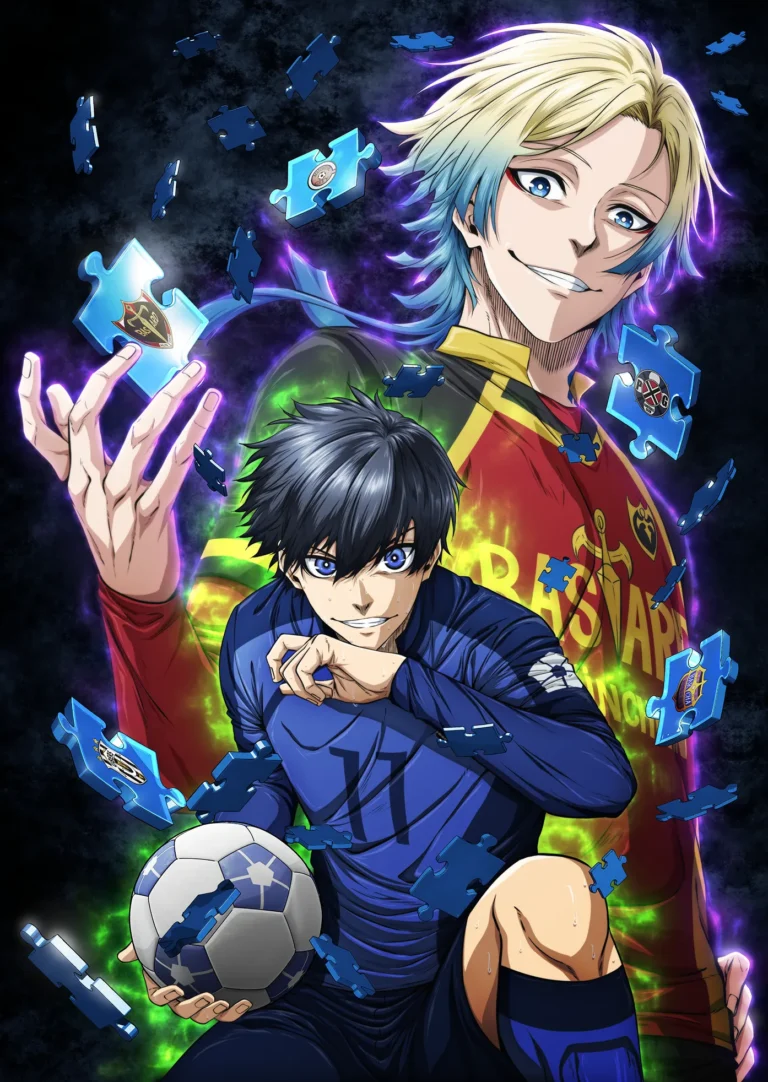
Confirmed by primary sources: The official episode-one synopsis begins with Isagi passing rather than shooting in a match his team loses. It then introduces an invitation to…