Start No-Rin with episode one of the twelve-episode TV series, or choose the Japanese source prose from the publisher’s book navigation. The source novels conclude with Japanese volume 14, published in June 2026. The Square Enix manga is another adaptation. A complete-series disc describes the TV package; it does not prove a complete novel adaptation.
Reviewed 1 October 2026 · Idol retirement and school-transfer premise; relationship outcomes withheld. · Licensed access varies by country.
The source and screen branches

The manga and anime branch from the prose. Episode, comic-volume and novel-volume numbers cannot be transferred between the branches.
- READ · source prose: GA Bunko prose edition → Begin with the first book → Follow the prose sequence; English edition unverified here
- READ · comic adaptation: Square Enix manga · Maru Asakura → Select its own volume one → Volume eight concludes this named comic, not every format
- WATCH · TV adaptation: Episode 1 · idol and agricultural school → Continue through episode 12 → Licensed disc is the TV package; exact novel handoff unverified
The novel, manga and television are separate routes
No-Rin starts from Shirow Shiratori’s Japanese prose, illustrated by Kippu. GA Bunko’s dedicated publisher portal provides book and comic navigation. For a reading-first route, identify the Japanese prose edition rather than purchasing an anime disc and assuming its episode numbers correspond to volumes. This guide does not establish a licensed English prose edition.
The Square Enix comic credits Shiratori for the original work, Maru Asakura for manga, Hako Matsuura for composition assistance and Kippu for original character design. Its eighth-volume record labels that comic’s conclusion. That is evidence about this particular adaptation, not a declaration that all related prose, comics and screen projects ended at the same story point.
For viewing, the licensed complete-series disc lists episodes one through twelve. Start with episode one and follow that sequence. Choose your preferred audio and subtitle version from the actual edition listing. Neither the word complete on a home-video package nor the number twelve supplies a verified novel continuation chapter; it describes the television package offered.
Case check: an idol becomes a classmate
Crunchyroll’s licensed series introduction identifies Kosaku Hata, his distress over the retirement of idol Yuka Kusakabe and her arrival at Tamo Agriculture School. The home-video description identifies her school name as Ringo and positions Minori’s feelings within the setup. These are opening-level identities, not revelations about the eventual outcome of the relationships.
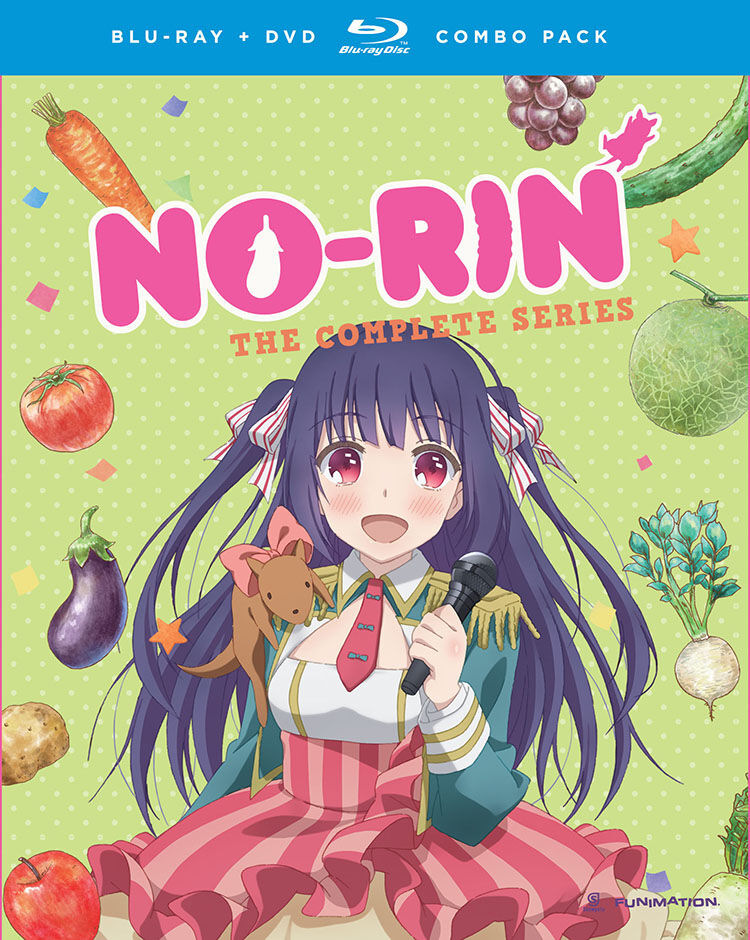
The licensed disc cover reproduced here presents the title as a home-video product and carries the complete-series label. It is an edition identifier rather than an agricultural illustration chosen to prove realism. Its characters and packaging invite recognition; they cannot establish how a particular classroom or field scene is staged inside an episode.
Our reading of the premise is that celebrity admiration becomes difficult when the admired person occupies an ordinary shared space. Kosaku can no longer encounter only an image mediated by performance. Watch for whether he responds to the person’s needs or to his own expectation of the idol. That distinction is an interpretive question, not an asserted answer about later episodes.
Original visual reference
Agricultural work as a change in social distance
A school already requires people to share tasks, routines and limited space. Placing an idol inside that environment gives the romantic comedy a concrete source of friction: being impressed by someone does not automatically make two people useful classmates. The rural setting can turn admiration into an awkward practical encounter rather than another distant fan experience.
This is why we place No-Rin beside Silver Spoon while recommending the pair for different moods. Silver Spoon’s guide emphasizes the pressures of unfamiliar vocational work. Here our selection emphasizes the collision between a public persona, school relationships and broad comedy. The common agricultural setting does not mean the two titles offer the same treatment of food production.
A useful viewing question is who gets to define competence. Celebrity success, classroom confidence and the ability to complete an unfamiliar task are different kinds of achievement. The opening invites comparison between them without requiring the viewer to decide that one character is morally superior. Attend to the situation a joke creates as well as the character it targets.
Check the comic tone before choosing a rural comfort watch
The distributor describes a romantic comedy and uses deliberately suggestive phrasing in its disc promotion. That is a better guide to the intended broad comic presentation than the agricultural label by itself. Expect romantic rivalry, sexual innuendo and fanservice; this is not a recommendation for someone specifically seeking an entirely gentle countryside series.
An agricultural backdrop also does not make a show a dependable farming manual. A comic situation may exaggerate a task or use it to expose a relationship. When discussing the series, distinguish what a scene asks the viewer to laugh at from a real claim about agricultural practice. Our thematic shelf is a route to stories, not instruction in food safety or cultivation.
Keep the source credits and screen credits visible
The prose portal names Shiratori and Kippu, while the comic publisher identifies its additional contributors. Those credits show why the same title can have different visual authorship across books and panels. A reader interested in Shiratori can follow his own maintained author page, which also identifies The Ryuo’s Work Is Never Done! as another authored series; that shared creator does not create a shared fictional universe.
The licensed home-video record identifies Shin Oonuma as anime director. SILVER LINK.’s maintained company history lists No-Rin among its production work. The company-history year is a catalog chronology rather than a substitute for an episode premiere date. Use the screen edition for viewing sequence and the staff or studio record for production attribution, keeping those functions distinct.
A catalog page does not guarantee playable episodes
The licensed Crunchyroll title page inspected for this guide includes a video-unavailability message, alongside its premise and genre labels. It is therefore a useful identification source, but we do not describe it as a universally working streaming offer. Availability can vary with territory and change after the checked date.
The disc listing identifies English and Japanese spoken-language options and English subtitles. Those edition features should still be checked against the actual product selected. A Japanese novel, an English-subtitled screen version and a translated comic would be different reading or viewing experiences; the existence of one does not prove that all are currently sold in the same market.
What the evidence supports about the franchise business
The available primary records establish several commercial forms: source prose, a credited manga adaptation and a television home-video package. That is enough to describe a cross-format publishing and distribution route. It does not supply an audited production budget, a licensing fee or a profit statement.
A disc’s listed retail price would be a price for one offer at one time, not the revenue of the series. Likewise, a publisher’s final-volume label reports the scope of a particular comic. We avoid turning either into a success percentage. A stronger commercial analysis would need reported units, dates, territory and a clear account of which edition the number measures.
Discuss the idol premise without turning comments into consensus
The linked Reddit search locates viewer discussions; MyAnimeList and the secondary overview help distinguish title spellings such as No-Rin and Nourin. These are navigation links, not a poll or a substitute for the credited publisher records. We have not summarized uninspected comments as a claim about what most viewers think.
A useful discussion prompt is whether meeting a public performer changes the admirer’s expectations. Another is whether a rural work situation helps the characters see one another differently or mainly supplies a comic setting. Both prompts arise from the verified opening and can be explored without explaining relationship outcomes. Mark later examples as spoilers if you contribute a scene-level answer.
Which version should a newcomer choose?
For the most directly identified English-language screen route, check the licensed twelve-episode edition and start at its opening. For the source, follow GA Bunko’s prose navigation. For the illustrated adaptation, select the Square Enix comic and its own volume sequence. These choices are alternatives, not twelve interchangeable units of the same format.
Is the disc a complete adaptation of every novel? Its listing does not establish that. Is the comic the source? The publisher labels it as an adaptation with separate manga credits. Can we add a precise post-anime chapter later? Yes, after comparing the actual editions; until then, beginning the selected reading route avoids a fabricated handoff.
Primary sources and useful navigation
- Original prose publisher portal
- Publisher comic navigation
- Square Enix comic credits and final-volume record
- Licensed anime premise and availability notice
- Licensed twelve-episode disc and language options
- SILVER LINK. production history
- Shirow Shiratori’s maintained author introduction
Community and catalog routes
- Reddit: title discussions (search, spoilers possible)
- MyAnimeList: anime lookup
- Wikipedia: secondary format overview
The production and publisher links support project facts. Catalog and community pages are secondary navigation and may reveal later events.
Find this work in our thematic collections
Original series imagery is reproduced under permission asserted by the site owner; the source and rights credits are retained. The route diagram is Animeteor’s own explanatory graphic.