Five anime about performers and the identities an audience sees
An entertainment-world persona, an idol becoming an actor, an impossible idol group, adult music relationships and a singer with a strategist. Five distinct distances between public image and private experience.
Reviewed 2026-10-01 · Premise-level spoilers · Editorial selections, without a universal ranking.
A psychological thriller, dark entertainment drama and supernatural comedy should not be treated as one mood. These choices compare public identity rather than measuring real celebrity earnings or ranking industries.
Choose your starting point
Follow the branch that sounds most appealing. This is a selection map, not a shared universe or a chronology.
How we chose these five
Each selection needs a theme that shapes its premise, a distinct reason to choose it and a verifiable anime project. We distinguish films from television, explain tone differences and use official production, studio, publisher or licensed-distributor pages for project identity. The order groups viewing experiences; it is not a score based on popularity or a claim that one work is objectively better.
Oshi no Ko
TV anime · A persona limits what the audience can know

The entertainment-world premise places idol Ai and the people around her within a story concerned with performance, public identity and relationships concealed from an audience.
Why choose it?
Choose this when a performer’s public image should stand beside a private life the audience may not see. Its entertainment-world setting makes presentation a relationship involving workers, spectators and institutions, rather than only an individual disguise. Compare Perfect Blue for a thriller about an oppressive former image, or Zombie Land Saga for a fantastical group required to perform around a concealed condition. Our lens is the difference between receiving an image and knowing a person. Begin with the original long premiere, whose developments should not be pre-explained here. This recommendation does not claim that the fictional industry plot documents one actual artist’s life or establishes industry-wide financial figures.
Where to start
Begin the first television premiere before later-season news. Aka Akasaka and Mengo Yokoyari’s manga is the source; the separate live-action versions are not an anime continuation.
Tone & scope: Death, exploitation, harassment and psychological distress. Character biographies and later plot summaries contain major spoilers.
Perfect Blue
Anime film · A public image becomes an oppressive expectation
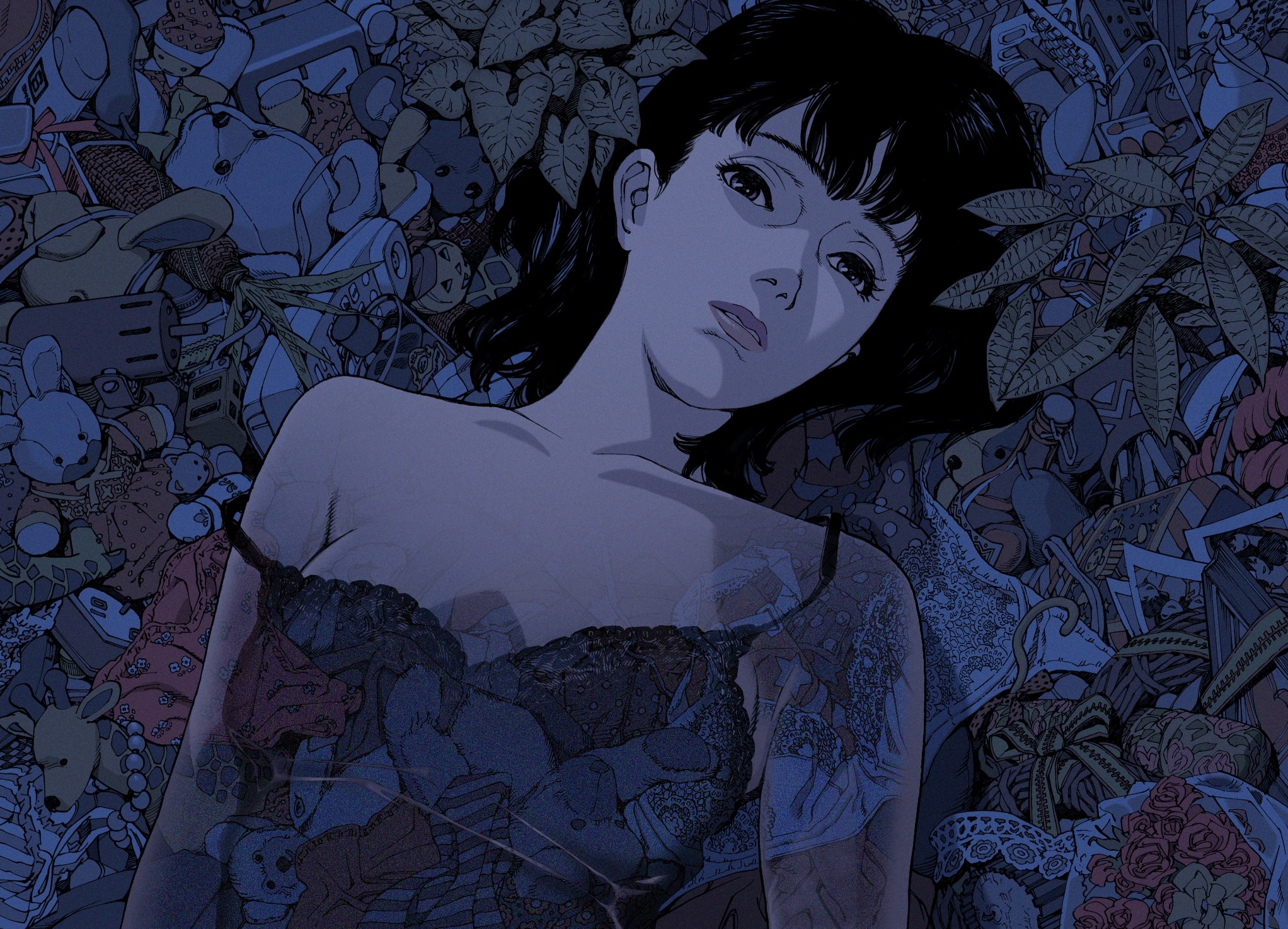
GKIDS introduces former pop idol Mima Kirigoe moving into acting, facing fan unease and a stalker while struggling with the distance between her new work and her old image.
Why choose it?
Choose this when the audience’s idea of a performer should be frightening rather than reassuring. Changing work gives Mima a practical reason to encounter an image other people may refuse to relinquish. Compare Nana for ambition and relationships around music, or Ya Boy Kongming! for an aspiring artist receiving strategic support. Our lens is the loss of control over what a public identity is allowed to mean. This is a psychological thriller with sexual violence and disturbing imagery, so it should not be offered as interchangeable with upbeat idol comedy. The licensed synopsis itself reveals later incidents; our recommendation stops at the change of profession and the threat around it.
Where to start
Watch Satoshi Kon’s feature film as one complete work. Remastered presentations are editions of that film, not sequel installments. GKIDS identifies the source author Yoshikazu Takeuchi separately from the film’s direction; a source edition is not a required prologue.
Tone & scope: Sexual violence, nudity, stalking, murder and psychological distress. Trailer and synopsis coverage can reveal more than the opening premise.
Zombie Land Saga
TV anime · An idol group performs around a concealed condition

The official portals identify an original television anime about zombie idols, with the original series followed by the separately named Revenge sequel. Its undead premise is joined to performance in Saga.
Why choose it?
Choose this when public performance should be built around a literally impossible private situation. The undead performers give the premise a comic and fantastical form, but the need to work together still makes presenting a group an active undertaking. This differs from our undead-power collection, where the unusual condition determines the comparison; here the attraction is what an audience is allowed to see. Compare Perfect Blue for a much darker relation to a public image, or Kongming for an aspiring singer receiving strategic support. Begin the original television season. Later project publicity can reveal the group’s history and should not be used as a spoiler-free introduction.
Where to start
Begin with the original Zombie Land Saga television opening. Revenge is a sequel label, not an alternate title for the first season. Related comics are separate products; this selection does not describe a source novel that the original television series adapts.
Tone & scope: Comic horror, death and emotional backstories alongside music. The Revenge artwork on this page identifies a later television project, not the starting installment.
· Original TV project
· Sequel introduction
· Find in MyAnimeList
Read the full Zombie Land Saga guide & visual adaptation map →
Nana
TV anime · A musical ambition meets private relationships

Ai Yazawa’s licensed series follows two women named Nana whose lives meet in Tokyo. Their relationships, living circumstances and the music scene are connected parts of its appeal.
Why choose it?
Choose this when performing should remain entangled with friendship, romance and the effort to live an adult life. Two women sharing a name give the opening an immediate contrast without reducing either person to a stage image. Our lens here is the pressure between a hoped-for musical future and relationships that cannot simply be managed as publicity. Compare Kongming for a more explicit planning partnership or Perfect Blue for a thriller about an audience resisting a performer’s change. Nana also belongs in our band collection, but this recommendation focuses on public ambition and private attachments. The TV adaptation is a route into the story rather than a promise that it resolves every source-manga development.
Where to start
Begin the 2006 television adaptation at episode one or the licensed manga at its first volume. VIZ distinguishes original and anniversary editions; Nippon TV identifies the television project. The anime ending should not be described as proof that the whole source narrative is complete.
Tone & scope: Sexual relationships, substance use, emotional dependency and painful adult conflict. This is the most mature interpersonal branch here.
Ya Boy Kongming!
TV anime · A singer gains a strategist rather than a new voice
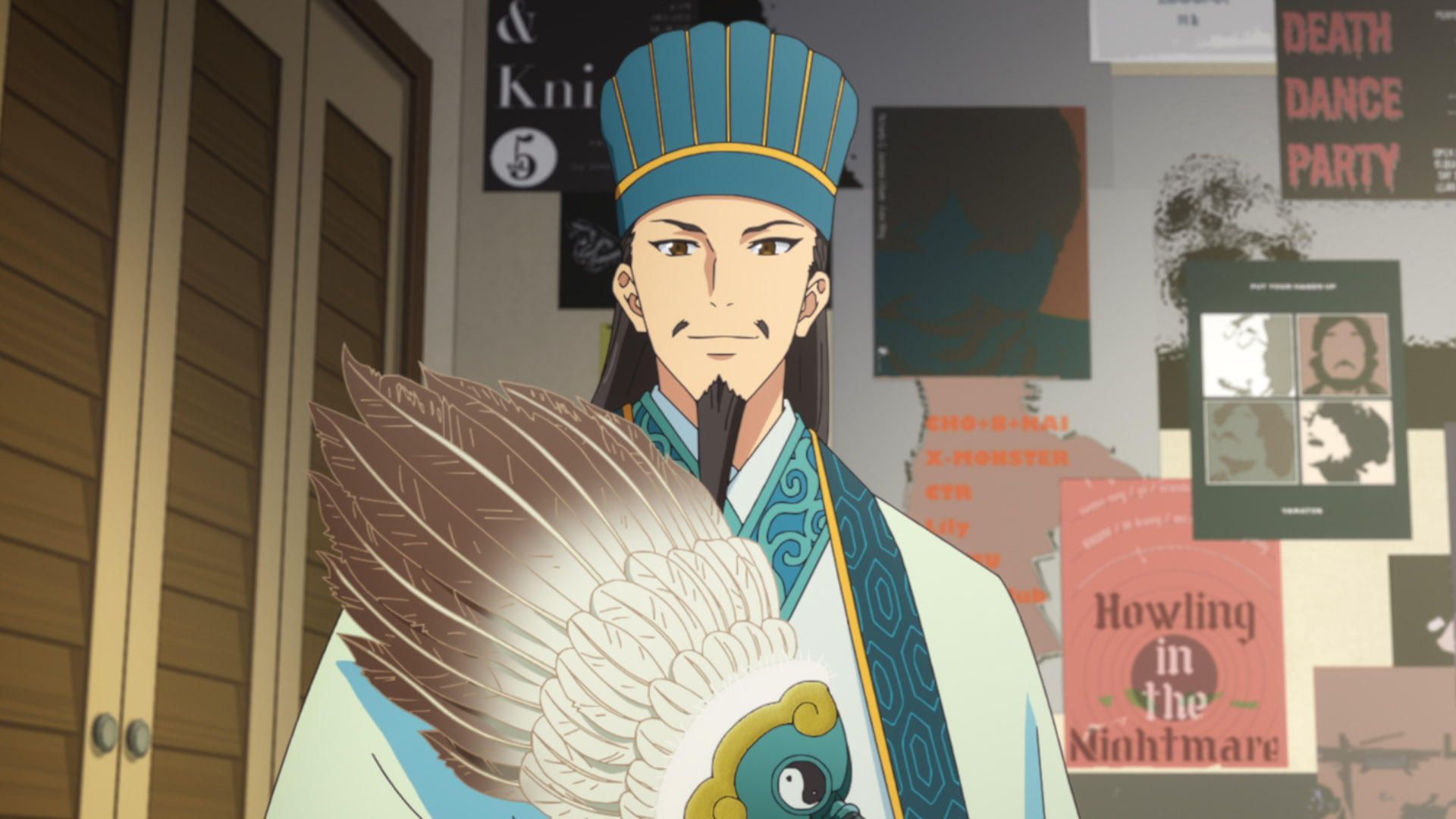
P.A.WORKS introduces Zhuge Kongming reincarnated in Shibuya, moved by aspiring singer Eiko’s performance and offering to become her strategist.
Why choose it?
Select this when a performer’s difficulty should concern reaching people, with a helper whose experience comes from a very different world. Eiko’s singing and Kongming’s planning create a partnership rather than simply replacing her ability with his. Compare Bakuman in our creative-work collection for complementary skills aimed at publication, or Nana here for music ambition alongside personal relationships. Our thematic interest is the difference between having something to offer and finding a situation in which people will hear it. The historical strategist’s new circumstances are fictional comedy, not a verified historical continuation or a measured marketing method. Begin the TV route before later festival publicity reveals how particular opportunities develop.
Where to start
Begin the original 2022 television series. Road to Summer Sonia is a separately named anime compilation film. Yuto Yotsuba and Ryo Ogawa’s manga is the source route; the live-action adaptation and its film are another screen branch.
Tone & scope: Nightlife, alcohol, competitive pressure and discouragement, alongside comedy. Festival outcomes and later publicity are spoilers.
Read the full Ya Boy Kongming! guide & visual adaptation map →
Case check: changing the image and finding an audience are different problems
GKIDS describes Mima changing from idol work to acting while facing discomfort around her previous image. P.A.WORKS introduces Eiko’s singing motivating Kongming to offer strategic support. Our interpretation is that the first premise asks what happens when an audience resists change, while the second asks how a performer can gain an opportunity to be heard. Oshi no Ko places identity within an entertainment-world drama, Zombie Land Saga makes concealment fantastical, and Nana connects music ambitions with private relationships. That comparison supports a choice of tone and question; it does not disclose an ending or make invented claims about audience-wide opinion.
Confirmed: the linked primary descriptions establish project identity and starting premises. Editorial reading: the thematic fit and comparisons are our interpretation. Not established here: exact adaptation endpoints, production costs, complete viewing availability or a scene-by-scene source comparison.
Discuss and continue
Community and catalog links are secondary navigation. They can help you find contrasting responses, but they are not evidence of audience-wide agreement. Discussion threads and later-season pages may contain spoilers.
Use official source pages for project identity and check your licensed service for regional availability.
Find community discussions on Reddit · Watch-order guides · Reading routes · Visual adaptation maps
Another experience to explore
- Farming & countryside life
- Food at the heart of the story
- Build, craft & organize
- Time loops & changing the past
- Life after battle
Review and artwork notes
This selection was reviewed on 2026-10-01. Original official or licensed images identify each project; later-season art is labeled where used. Artwork is reproduced under permission asserted by the site owner, with attribution and source links retained. This is not an open-license claim. Future revisions can replace a pick, improve source routes or add a maintained Work guide while preserving the selection’s published purpose.