Galaxy Express 999 DS — game guide
GAME GUIDE · Sources checked 05 October 2026 · Opening-premise spoilers; original promotional screenshots can reveal creatures and environments.
Galaxy Express 999 DS combines a simulation-style story adventure, a scene collection and a board game. Culture Brain’s Japanese DS edition is an optional interactive route beside the television series and separately named films.
- Exact title
- 銀河鉄道999 DS
- Publisher
- Culture Brain
- Japanese release
- 14 October 2010
- Platform
- Nintendo DS
- Players
- One; board multiplayer supports two to four via DS wireless/download play
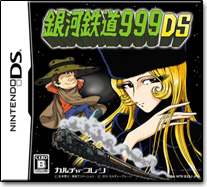
Product and edition
Nintendo’s Japanese software archive identifies this Culture Brain product and its 14 October 2010 release. The publisher description groups its activities into a simulation-style adventure, a collection of recognizable scenes and a board game. Those activities belong to one DS package, rather than three new television installments. Nintendo also identifies solo play and two-to-four-player DS wireless or download play. The official gallery preserves individual 256 by 192 pixel screens; a small native image should not be stretched into an apparently high-resolution remaster.
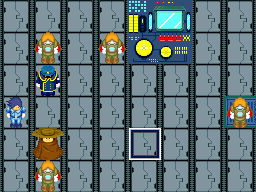
Gameplay and story
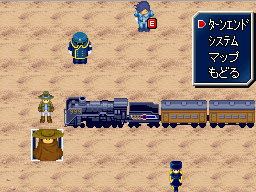
The lead screen depicts characters within the train carriage from an overhead perspective. The two additional screens present a conversation in a town and a board-style map with its visible command menu. These are distinct original screens from Nintendo’s exact product gallery. Their interface and perspective help distinguish the game’s activities from the illustrated packaging. Reading this visual evidence alongside the publisher description suggests a route built around inhabiting and revisiting familiar scenes. That is an editorial comparison, rather than a report of completing the adventure or testing a wireless session on original hardware.
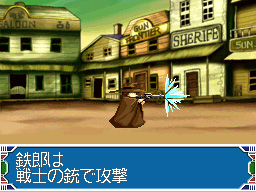
The dialogue frame makes the scene legible through character placement and a text area. The board frame changes the scale of attention to the railway and map controls. Their difference is useful to a reader who might otherwise expect a single action game throughout. A screenshot does not establish the number of playable story chapters, prove which manga ending is included or certify that every television episode is reproduced. We keep the full original composition and its Japanese text. The guide does not crop away menus, draw replacement controls or combine the screens into a manufactured gameplay image.
Choosing this route
Choose this DS product for the publisher’s advertised combination of story adventure, collected scenes and board play. Choose the manga or the 113-episode television series for the main reading and viewing routes. The 1979 theatrical film, Adieu Galaxy Express 999 and Eternal Fantasy have separate production identities; a game package is not evidence that their timelines have become one. The newly announced theatrical project is likewise independent of this historical cartridge. Completing a board session supplies no verified post-anime chapter handoff. This guide therefore links back to the main analysis without placing the game in its core adaptation diagram.
Platforms and access
The archive is historical product evidence, not a promise of a current digital download or new cartridge stock. The record’s date refers to the Japanese DS edition and must not be transferred to an unrelated game with the same railway title. Nintendo’s multiplayer statement describes the original supported setup; Animeteor has not installed the software or tested hardware, network services, performance or modern emulation. The original publisher gallery remains the source for the supplied pictures. Check the intended legitimate edition and device before planning access.
Sources and credits
- Exact Nintendo product and publisher description
- Official gallery, carriage screen
- Official gallery, dialogue and board screens
Facts are drawn from the identified publisher and developer records. The story lens is editorial interpretation, not a hands-on review, performance test or audience rating.