Mobile Suit Gundam Battle Operation Code Fairy — game guide
GAME GUIDE · Sources checked 05 October 2026 · Opening-premise spoilers; original promotional screenshots can reveal creatures and environments.
Code Fairy follows Alma and the Noisy Fairy unit in a separately identified Universal Century 0079 story. This guide distinguishes its single-player missions, squad commands and simulator from the online Battle Operation 2 service.
- Publisher
- Bandai Namco Entertainment
- Platforms
- PS4 / PS5
- Players
- One
- Historical launch context
- November 2021; regional early-access displays distinguished
- Story format
- Three separately identified volumes
- Current availability claim
- See the intended regional PlayStation listing
Product and edition
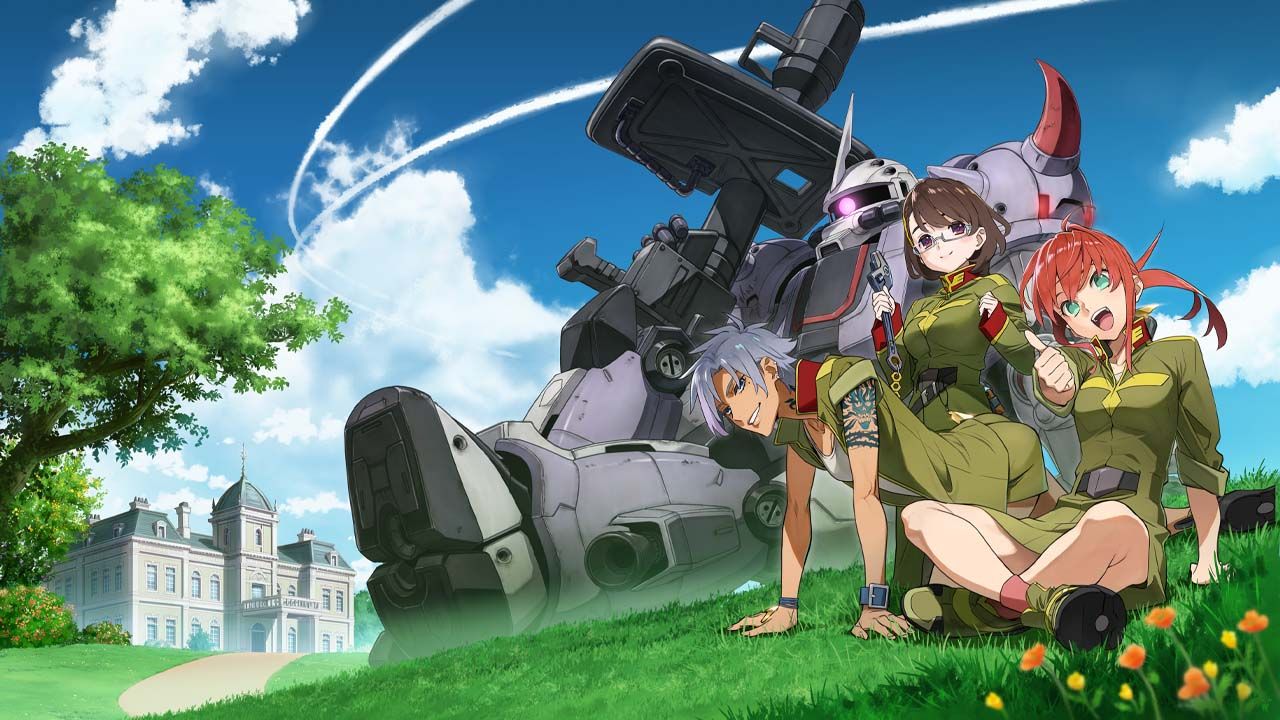
The Japanese portal identifies a single-player action product for PS4 and PS5. Its original premise follows Alma and a secret Zeon unit under Kycilia in North America during the One Year War. The story is completed across Volumes 1, 2 and 3; later volumes require the preceding ones. The archive distinguishes a 4 November 2021 preorder early-access day from the ordinary launch context, so the European date display is not used as proof that all versions launched on that day. Standard and Deluxe bundles include the three story volumes and additional Battle Operation 2 items under their stated edition terms.

Gameplay and story
The lead original system screen shows a mobile suit in battle, with allied pilot portraits, minimap and weapon information. A second frame exposes machine customization and parts, while the third displays a simulator’s mission selection. All three come from the exact Japanese Code Fairy portal and keep their original complete interface. The cover is publisher key art from its European product page. Anime character scenes and unmarked machine poses were considered as publicity but were not substituted for the required gameplay views. These images support the distinction between entering a mission, preparing a machine and choosing a separate simulator challenge.
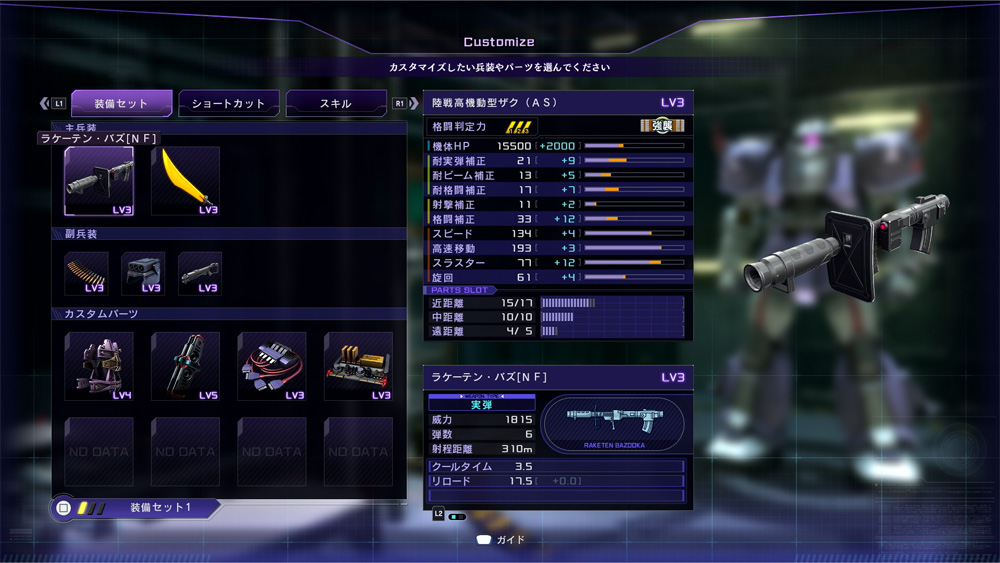
The publisher describes commands to allied machines, target designation and pilot-specific skills. Those systems make cooperation legible at the scale of a small squad. Our editorial comparison is with Gundam’s broader interest in people acting inside a war: the named pilots become companions whose actions can be coordinated rather than anonymous pieces of scenery. The customization screen also directs attention to preparation instead of treating a recognizable mobile suit as sufficient information about play. This interpretation does not prove historical military realism, the depth of every character arc or a direct retelling of Amuro’s television journey. We have not tested mission difficulty, allied behavior or the exact effects of individual skills.

Choosing this route
Choose Code Fairy for its advertised single-player original story and squad missions. Choose Battle Operation 2 for a separately operated online team service. Their systems and promotional connections do not make them one purchase or one campaign. On PC, an item set bearing the Code Fairy name supplies Battle Operation 2 content; it is not a Windows release of this story. Keep the original 1979 television or compilation-film route available as its own viewing choice. This game is an optional story beside those sources, with no requirement to finish every mission before reading The Origin or watching another animated branch.
Platforms and access
Check the intended regional PlayStation listing for the complete edition contents, language and access. The Japanese archive describes transferring PS4 save data to PS5 but explicitly does not support transferring a PS5 save back to PS4. Battle Operation 2 bonus items have their own account and patch conditions; they should not be mistaken for proof of PC cross-save. Historical preorder offers do not become current offers at this review. Animeteor has not installed the game, compared console versions or tested save migration. The images are original publisher material, and the guide supplies a source-based identity and story comparison without a hands-on rating or measured performance claim.
Sources and credits
- Japanese product and edition archive
- Exact squad and customization systems
- Simulator interface
- European product and original key art
Facts are drawn from the identified publisher and developer records. The story lens is editorial interpretation, not a hands-on review, performance test or audience rating.