Watch 23 episodes, then Paris Chapter’s 11, then Finale’s 11. Standard manga volumes 1–23 lead to Opera material in 24–25. The newer 13-book collection is an alternative edition.
Reviewed 3 October 2026 · Opening premise and adaptation relationships. Major endings withheld; linked catalog summaries and discussions may contain spoilers. · Licensed access varies by country.
The source and screen branches

Three television stages are consecutive; bonuses are optional. Manga Opera material continues the source. The 13-book collection is an alternative edition. Live-action and games stay outside this map.
- WATCH · main television: First season · 23 episodes → Paris Chapter · 11 episodes → Finale · 11 episodes
- OPTIONAL · animation: Beach story · first-series extra · Reunion · Finale extra
- READ · standard manga: Source volumes 1–23 → Opera material · volumes 24–25
- READ · alternate collection: New collection · books 1–13 · Same source + edition bonuses
Two musicians can hear the same piece and want different lives
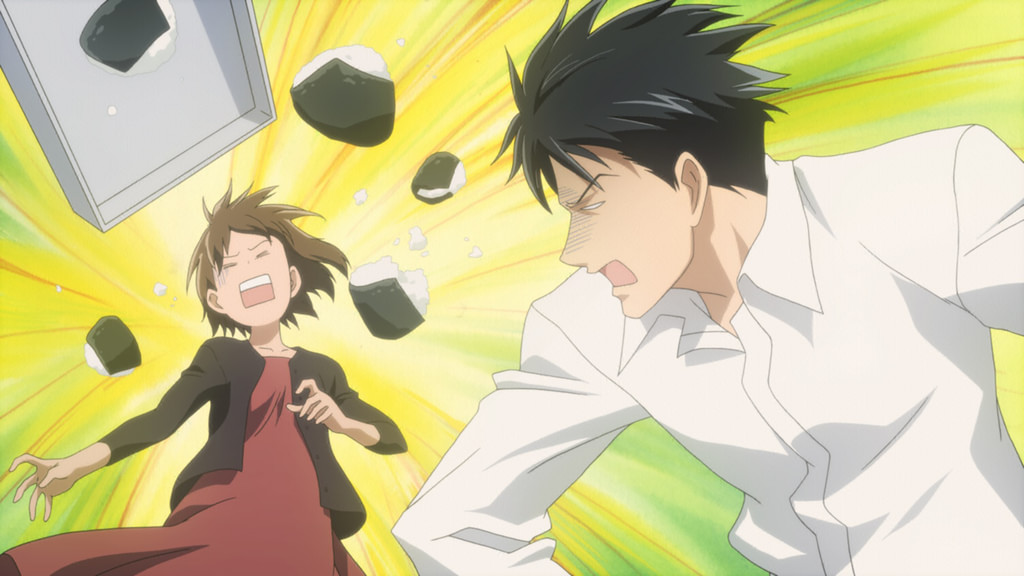
Shinichi Chiaki has a precise idea of the musical career he wants, but his fear of flying limits the route he imagines taking. Megumi Noda, nicknamed Nodame, plays with an instinctive freedom that challenges his expectations. Their meeting brings romantic comedy into a story about education, ambition and the difficulty of accepting help from someone whose habits seem incompatible with your own.
The first anime season provides the starting point. Watch its twenty-three episodes, then Paris Chapter’s eleven, then Finale’s eleven. These are consecutive television stages, not interchangeable remakes. The official complete-box inventory records forty-five television episodes and two additional unaired stories. Those companions are optional rather than extra numbered seasons.
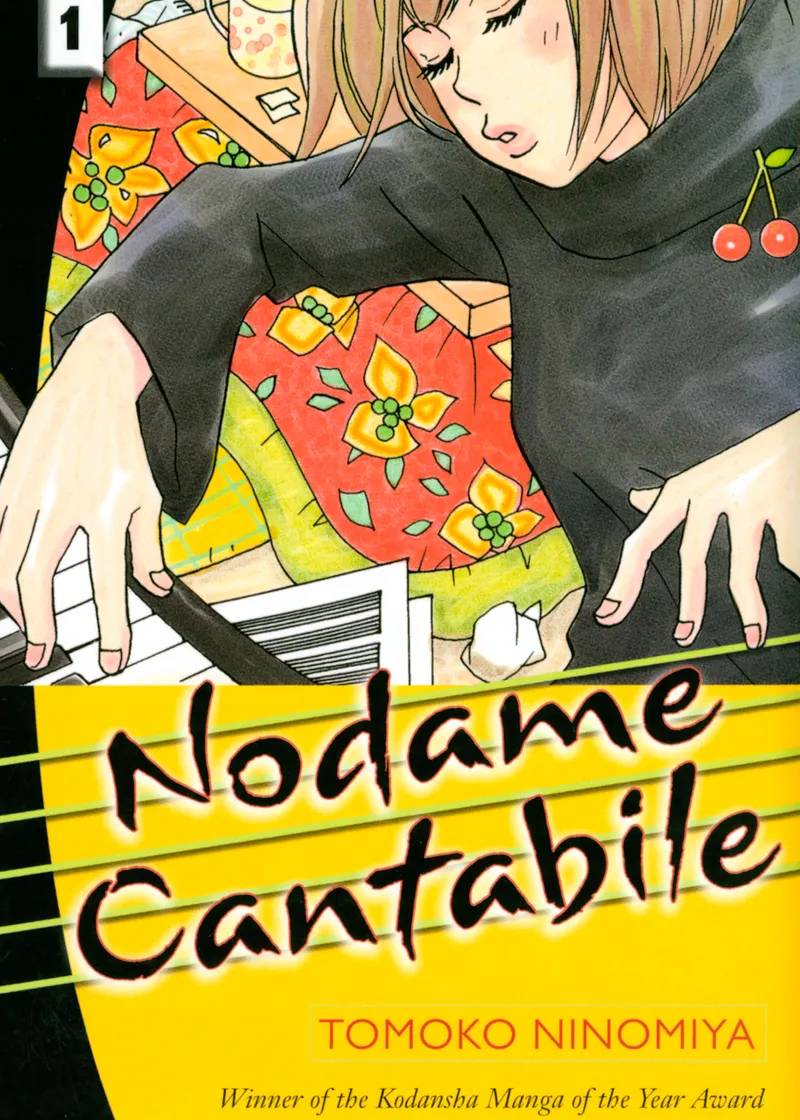
Tomoko Ninomiya’s manga is the source. The licensed English catalog contains twenty-five volumes, including the later Opera material. Choose source volume one for a complete reading introduction. Live-action television and films are other adaptations, with their own cast and staging; they do not go between anime seasons in this watch-and-read roadmap.
Twenty-five source books include an identifiable Opera continuation
Pika’s licensed edition explanation distinguishes the original twenty-three manga books from two Opera companion volumes, giving twenty-five in the combined collection. Kodansha’s English digital series uses the continuous one-to-twenty-five numbering. Its final-volume record identifies the conclusion of the Opera material and sixteen additional pages made for the collected book.
The thirteen-book newer collected edition packages this twenty-five-book material differently. Its volume thirteen is therefore not a newly invented thirteenth stage after the English series ends. Readers should choose one edition’s numbering and follow that sequence, rather than using a compact edition number to jump within the standard English books.
The practical source route is volumes one through twenty-three, followed by twenty-four and twenty-five for the Opera continuation. The latter volumes can be identified as later reading without claiming that every earlier chapter was retained by animation. New edition bonuses also need their own identification; an anniversary cover or collected supplementary page does not establish another anime season or a prose-original version.
The television sequence stays simple while supplements stay optional
The forty-five-episode television route follows the original school setting, Paris Chapter and Finale. Fuji’s pages identify the second and third series as successive stages, and the official physical inventory provides their counts. This resolves the main order without requiring a calendar reconstruction of every short special, bonus feature and music performance.
The complete-box inventory separately lists a beach story associated with the first series and a Kiyora-and-Mine reunion story with Finale. Watch those as optional companions to their named stages or after the full television route. A story bundled with a manga or disc edition should be checked by title and contents; packaging alone cannot determine its exact fictional date.
For anime-to-manga comparison, this guide offers the verified Opera volumes as later source material but does not advertise an exact lossless chapter jump after Finale. Community lists identify omissions and condensed sections. Without a scene-by-scene edition audit, starting the manga at volume one remains the fullest comparison route. The continuing books are a useful discovery, not a promise that skipping the earlier source loses nothing.
Original visual reference
Discipline and spontaneity are both incomplete when treated as identities
Our interpretation centers on how the two leads define musicianship. Chiaki’s technical standards can make a performance possible, but can also become a way to dismiss someone before understanding what they hear. Nodame’s freedom can open an unexpected expressive route, yet inspiration does not remove the need to communicate within a shared performance. The tension works because each strength also has a condition under which it becomes a limitation.
An ensemble makes that problem social. Playing well alone is different from giving other players information they can act on. A conductor has to translate an idea into a collective response rather than merely demonstrate that the idea is correct. A musician likewise has to decide how personal phrasing fits another person’s timing. A scene about rehearsal can therefore carry a relationship argument without turning the music into a decorative metaphor.
The romantic element is compelling when admiration becomes uncomfortable. Someone may enjoy a partner’s gift while wanting to control the circumstances in which it appears. Assistance can make progress possible, but can also reveal an unequal assumption about who gets to choose the goal. The useful question is whether care increases another person’s ability to decide, rather than simply moving them closer to the helper’s preferred future.
Animation adds audible performance to Ninomiya’s visual narrative. Manga can hold a reader within the recognition that a passage has changed, while sound makes its duration and phrasing perceptible. This does not mean the source lacks musical imagination. It means the two versions ask for different participation: a reader builds an imagined performance from marks and reactions; a viewer hears a particular recorded interpretation.
The move into another educational environment also changes what counts as achievement. Familiar status at home may offer little guidance when the room contains people with different training and expectations. Comedy helps the story keep that uncertainty human. Being talented does not prevent embarrassment, practical disorder or a mistaken reading of someone else’s intention; it makes those everyday failures part of the career rather than exceptions to it.
The staff changes across seasons, and performance animation has a technical history
Ninomiya is the original manga creator. Fuji credits Kenichi Kasai as director and Tomoko Konparu for series composition on the first television adaptation, with Shuichi Shimamura designing the characters and J.C.STAFF animating. Ayako Kawasumi voices Nodame and Tomokazu Seki voices Chiaki in the original Japanese performance.
Paris Chapter changes the credited director to Chiaki Kon and series composition to Yoji Enokido. Finale retains Kon while listing Kazuki Nakashima for series composition. Those changes belong to named anime installments, not to manga authorship. Keeping the credits attached to their seasons makes a production comparison more useful than attributing every adaptation decision to one creator.
A Kwansei Gakuin University laboratory publication records technical cooperation from the Miwa and Nagata laboratories for Paris Chapter’s piano-playing animation. It describes computer-generated playing motion, including fingertips. That is a specific production contribution, not evidence that every scene used identical techniques or that the software independently supplied the musical interpretation. The resulting performance still belongs within a wider chain of visual, sound and editorial choices.
The recurring question is what remains after the anime ends
The linked manga discussion comes from a viewer who completed all three anime seasons and wants to know whether reading adds more. Replies identify Opera material and recommend returning to the beginning for changes and omissions. That is a useful record of reader needs: the visitor is trying to distinguish genuinely later source stories from material already familiar through another format.
Some replies give precise chapter ranges and skipped-chapter lists, while others rely on recollection of characters absent from animation. Those are community comparison leads. We do not convert them into a guaranteed source handoff without an edition audit. The publisher’s twenty-five-book inventory establishes where the source collection ends; individual claims about scene coverage require a different kind of verification.
The named AniList entry for the original twenty-three-episode 2007 anime was checked on October 3, 2026. Its weighted audience average is 79 out of 100, shown as 7.9 out of 10. Paris Chapter, Finale, manga and live-action are outside that score’s scope. We offer the external figure with its named adaptation rather than merging separate audiences into an unexplained franchise rating.
Historical popularity and research funding are not an anime profit calculation
Fuji’s Finale introduction records manga circulation exceeding thirty-one million copies in November 2009. This is dated promotional context, not a newly measured 2026 total or the anime’s revenue. The later complete Blu-ray collection is a physical edition of existing television material; its original campaign date should not be read as a current stock guarantee.
The university publication also describes a broader research project and its funding. That figure is not the budget of Nodame Cantabile or payment for the anime’s piano scenes. A project can contribute technology to a production without all its development spending becoming that production’s cost. No work-specific audited profit statement is supplied by the sources used here.
For a visitor, the practical commercial distinction is edition and access. Kodansha’s English catalog offers digital manga with platform-specific purchasing options. A newer French collected edition supplies different packaging and bonuses. Neither a listed preview nor an archived paper edition proves unrestricted reading or worldwide availability. Check the licensed platform’s current territory and product terms before choosing a format.
Start with the first performance, then decide how much source comparison you want
Watch the first television series, Paris Chapter and Finale in that order. Use the original broadcaster pages for the credited staff and stage identities, and the complete-box inventory for episode counts and optional unaired stories. The route requires no live-action films, game completion or performance-documentary supplements.
Read the standard manga collection from one through twenty-three, then continue with the two Opera volumes. The newer thirteen-book format is an alternative collected edition. Kodansha’s first and last English records identify the starting digital book and the completed later material; Pika’s edition explanation helps reconcile the different spine counts.
Honey and Clover provides another view of artistic training, competing futures and the limits of helping someone you care about. Paradise Kiss offers a separate comparison of training, admiration and career expectations. These are comparisons between separate works, not connected continuity. Future source or edition updates can extend this guide while preserving the distinction between main television, source continuation, optional animation and independent live-action adaptations.
Primary sources and useful navigation
- Fuji TV · original anime and first-season staff
- Fuji TV · Paris Chapter and its staff
- Fuji TV · Finale credits and dated circulation context
- Official anime site · complete-box episode inventory and two unaired stories
- Anime Hodai · licensed original first-season artwork
- Kodansha · licensed complete English twenty-five-volume source
- Kodansha · English first volume and original cover
- Kodansha · final Opera volume and collected additional pages
- Pika · original twenty-three books, Opera material and thirteen-book edition
- Kwansei Gakuin University · laboratory cooperation for piano animation
- AniList · named anime audience score
Community and catalog routes
The production and publisher links support project facts. Catalog and community pages are secondary navigation and may reveal later events.
Explore related story guides
Original series imagery is reproduced under permission asserted by the site owner; the source and rights credits are retained. The route diagram is Animeteor’s own explanatory graphic.
Games and live-action adaptations
- Nodame Cantabile: The Movie I — Live action: Film · 2009
- Nodame Cantabile: The Movie II — Live action: Film · 2010
- Nodame Cantabile (Nintendo DS) — Game: School classical-music variety / rhythm
- Nodame Cantabile: Dream Orchestra — Game: Motion-controlled orchestra / music variety
- Nodame Cantabile (2006 television) — Live action: Television series · 2006
- Nodame Cantabile in Europe — Live action: Two-night television special · 2008
- Nodame Cantabile: Tanoshii Ongaku no Jikan Desu — Game: Classical rhythm action