ONE PIECE ODYSSEY — a party RPG built around the Straw Hats
ONE PIECE ODYSSEY offers a different way to spend time with the Straw Hats: a party RPG rather than an arena fighter or an extra television season. Its strongest editorial hook is how a crew becomes a set of playable roles. This guide uses the publisher’s description and Steam edition record to help readers decide whether that kind of adaptation matches what they enjoy about One Piece.
- Developer / publisher
- ILCA, Inc. / Bandai Namco Entertainment
- Steam release
- 12 January 2023
- Mode
- Single-player
- English on Steam
- Interface and subtitles; Japanese full audio
- Switch edition
- Publisher records Deluxe Edition release on 26 July 2024
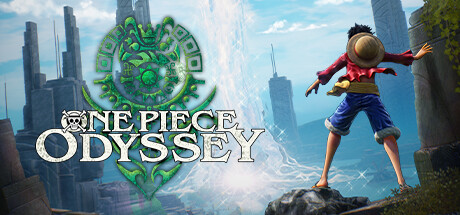
A new adventure with familiar people
Bandai Namco introduces an island adventure following a storm and a separated crew, with the new characters Adio and Lim. That premise makes ODYSSEY approachable as a distinct product, but familiar crew members bring their established abilities and identities with them. A new location should not be read as a guarantee that every roster detail is safe for someone at the opening of the manga.
For Animeteor, the island story is an additional franchise experience. We do not assign it an episode number or insert it between volumes. The main One Piece guide remains the place to compare source and screen routes. The game page answers a more practical question: whether you want to explore and fight with a party whose members have different uses.
Why the crew suits a party RPG
The publisher highlights character-specific exploration, such as Luffy’s traversal ability and Zoro’s use against barriers. That gives us a concrete way to judge the adaptation concept: a character’s identity can matter outside a cutscene. A crew feels more like a crew when choosing a member changes how a space can be approached.
In combat, the appeal of a turn-based structure is the chance to pause and consider a party decision. The official Dramatic Scene description adds situational complications to that idea. Our interpretation is that the design can turn a familiar personality into a tactical problem. This is a reading of the documented systems, not a claim that we have measured their difficulty or completed the campaign.

The screenshot makes the format visible

The original Steam image shows Luffy opposite an enemy with a battle interface, including a turn indicator. This is a more informative image than a row of character portraits: it identifies both One Piece and the kind of interaction the product offers. The interface is part of the evidence, so the full composition is displayed without cropping.
A promotional battle image cannot tell you how long encounters take or whether the pacing will suit you. Watch the publisher’s battle footage with that specific question in mind. Someone looking for immediate button-driven duels may want a different One Piece product; someone who enjoys weighing party actions has a clear reason to inspect ODYSSEY further.

Base game, expansion and platform editions
Steam lists the additional scenario Reunion of Memories separately within its edition information and states that expansion content becomes available after clearing the main game. Bandai Namco’s Switch description includes additional scenarios and costumes in its Deluxe release. These records make edition comparison worthwhile rather than assuming that “Deluxe” always means the same bundle everywhere.
Choose the actual platform first, then compare the included content and local price. The Steam language table lists English text with Japanese audio, so an English-speaking reader should expect to read dialogue. We do not claim universal regional availability or a current bargain. The publisher and store links below are the maintained places to check those details before purchase.
Sources and further discussion
Editorial scope: documented product features and original interpretation. No hands-on performance score or exhaustive scene comparison is claimed.
Steam community discussions — player reports, not primary production evidence